

Engine Break In Additive: Guide to New Engine Protection
The first hours of operation are the most critical period in an engine’s life, where proper lubrication and protection can determine its long-term performance, efficiency, and longevity. An effective engine break in additive provides specialized protection during this vulnerable period, helping components like piston rings, camshafts, and bearings establish proper wear patterns without excessive material loss. Whether you’re building a high-performance race engine or maintaining a newly rebuilt daily driver, understanding the role of engine break-in oil additive technology is essential. This comprehensive guide explores everything from the fundamental science behind engine anti wear protectant formulations to the role of specialized friction modifier additive components in promoting optimal break-in results.
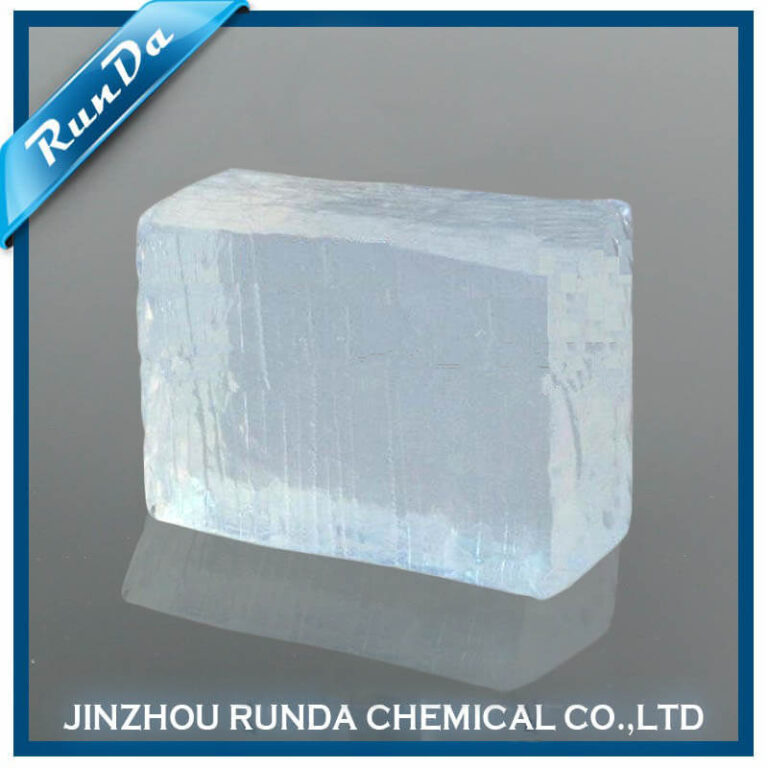
Ethylene Propylene Rubber (EPR/EPDM)
In the world of synthetic elastomers, ethylene propylene rubber stands out for its exceptional resistance to weathering, ozone, and heat, making it indispensable across numerous industries. Whether referred to as EPR, EPM, or the more common ethylene propylene diene monomer rubber epdm, this versatile ethylene propylene polymer offers a unique combination of properties that bridge the gap between general-purpose and specialty rubbers. This comprehensive guide explores everything from fundamental ethylene propylene rubber uses and ethylene propylene rubber density characteristics to practical considerations like ethylene propylene rubber price factors and finding reliable ethylene propylene copolymer suppliers for your specific application needs.
Zinc Motor Oil Additive (ZDDP)
For over seven decades, zinc dialkyldithiophosphate (ZDDP) has been the cornerstone of engine wear protection, forming the basis of what many enthusiasts seek as high zinc motor oil additive products. This remarkable anti-wear compound has protected everything from classic flat-tappet engines to modern high-performance machinery. However, with changing oil specifications and environmental regulations, understanding proper zinc zddp application has become increasingly important. This comprehensive guide explores everything from the fundamental chemistry of aditive zddp to practical considerations like adding zddp additive to synthetic oil, comparing zddp vs moly technologies, and selecting the right engine break in oil additive tb zinc plus for new or rebuilt engines.

Diesel Additive Lubricant: Complete Guide to Fuel Lubricity
Modern ultra-low sulfur diesel (ULSD) fuels present a significant lubrication challenge for fuel injection systems, as the desulfurization process removes natural lubricating compounds. This has made diesel additive lubricant technology essential for protecting expensive fuel system components from premature wear. When searching for the best diesel fuel lubricant additive or the best lubricity additive for diesel fuel, understanding the science behind fuel lubricity is crucial. This comprehensive guide explores everything from basic diesel fuel additive for lubrication principles to specialized formulations like kerosene lubricity additive products, helping you make informed decisions about protecting your diesel equipment.
Lubricant Additives Industry: Market, Technology & Future Trends
The global lubricant additives industry represents a critical but often overlooked segment of the chemical manufacturing sector, valued at over $18 billion annually and growing steadily. This industry provides the essential additives used in lubricants that transform base oils into high-performance fluids capable of meeting increasingly demanding operational requirements. From lubricant performance additives that protect engines under extreme conditions to specialized lubricant and fuel additives that enhance diesel fuel properties, this sector is undergoing significant transformation driven by technological advances and regulatory pressures. This comprehensive analysis explores everything from the science behind diesel additive lubricity test methodologies to the search for what is the best diesel fuel additive for lubrication in modern low-sulfur fuel applications.
Gear Oil Additive for Car: Complete Guide to Transmission
Your car’s transmission and differential represent some of the most complex and expensive components to repair or replace. Proper lubrication with the right gear oil additive for car applications can mean the difference between years of smooth operation and catastrophic failure. But with so many products on the market claiming to be the best transmission additive, how do you know what really works? This comprehensive guide answers critical questions like “do transmission fluid additives work” and explores the differences between specialized differential gear oil additive products and general transmission treatments. We’ll help you understand when you need gear oil without limited slip additive versus specialized friction-modified formulations.
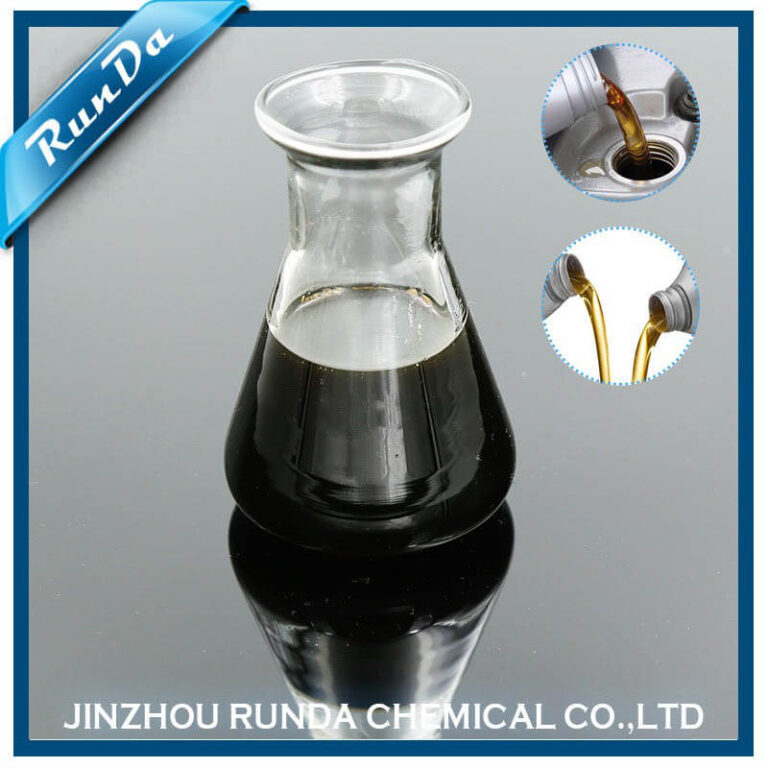
Additive to Clean Engine- Engine Detergents
Engine sludge and deposits are among the most common yet preventable causes of reduced engine performance, increased fuel consumption, and premature wear. The right additive to clean engine can be a game-changer for engine longevity and efficiency. But with so many products claiming to be the best additive to clean engine, how do you separate fact from marketing hype? This comprehensive guide answers critical questions like “do engine cleaner additives work” and explores what truly makes an effective oil additive to clean sludge. We’ll examine everything from preventive motor oil detergent additive products to intensive best engine oil flush additive treatments for severely neglected engines.
Antiwear Agent: Engine & Transmission Protection
In the demanding world of automotive and industrial lubrication, reducing friction and preventing wear are fundamental objectives. An effective antiwear agent forms protective films on metal surfaces, while friction modifier additive technology optimizes surface interactions for improved efficiency. Whether you’re searching for the best engine break-in additive for a new rebuild, a specialized transmission friction modifier additive for smoother shifts, or the authentic Motorcraft friction modifier additive for Ford applications, understanding these critical components is essential. This guide explores everything from the growing friction modifier additives market to specific products like Mopar limited slip additive friction modifier and where to find friction modifier additive Autozone carries.
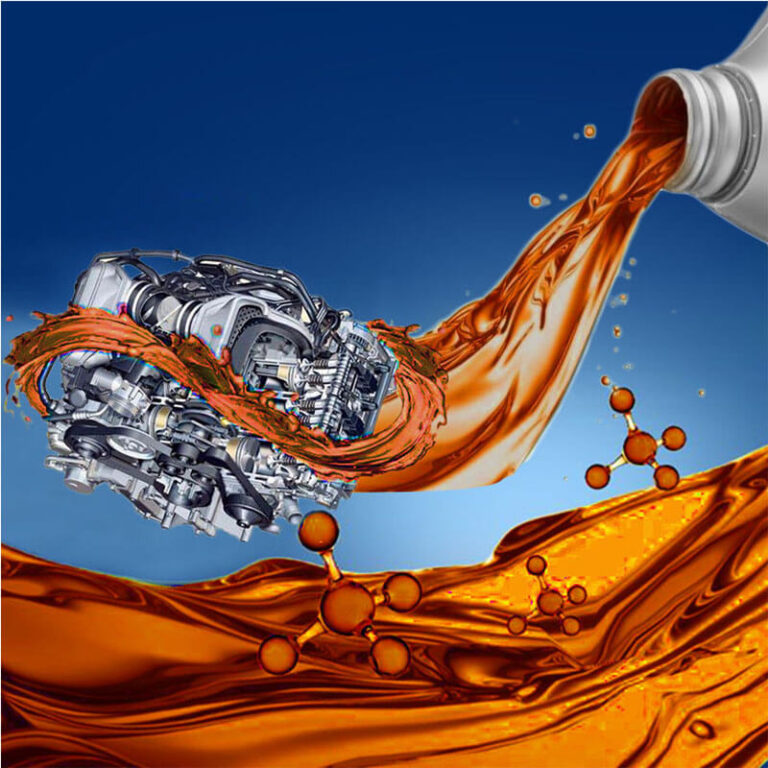
Tackifier Oil Additive: Enhancing Viscosity & Performance
In the complex world of lubricant formulation, maintaining optimal viscosity across varying temperatures is a fundamental challenge. This is where tackifier oil additive technology plays a critical role, working alongside viscosity index improvers to ensure consistent lubricant performance. Whether you’re exploring oil tackifier additive for sale options or seeking to understand the broader viscosity index improvers market dynamics, this guide provides comprehensive insights into these essential lubricant components. We’ll answer fundamental questions like “what is viscosity index improver” technology and explore specific applications such as OCP viscosity index improver formulations.
Engine Oil Detergent Additive: Ultimate Guide to Clean Engines
Engine sludge is one of the most destructive forces affecting modern engines, causing reduced performance, poor fuel economy, and even catastrophic failure. An effective engine oil detergent additive is the frontline defense against this threat. Whether you’re looking for a car engine cleaner additive for preventive maintenance or the best engine oil cleaner additive to combat severe sludge buildup, understanding how these products work is essential for maintaining engine health. This comprehensive guide explores the science behind detergents, how they combat oil breakdown, and how to choose the right engine oil additive to clean engine components effectively.

Gear Oil Additive: The Ultimate Guide for Transmission Protection
Gears and transmissions are the heart of power transfer in countless machines, from vehicles to industrial equipment. Protecting these critical components requires more than just base oil; it demands a precisely engineered gear oil additive package. Whether you’re maintaining a classic car with a manual transmission fluid additive, seeking the best gear oil additive for towing, or ensuring smooth operation of a differential requiring a gear oil with limited slip additive, understanding these specialized chemicals is key. This guide delves into the world of auto transmission fluid additives, transmission friction additive technology, and more, empowering you to make informed decisions for optimal protection.
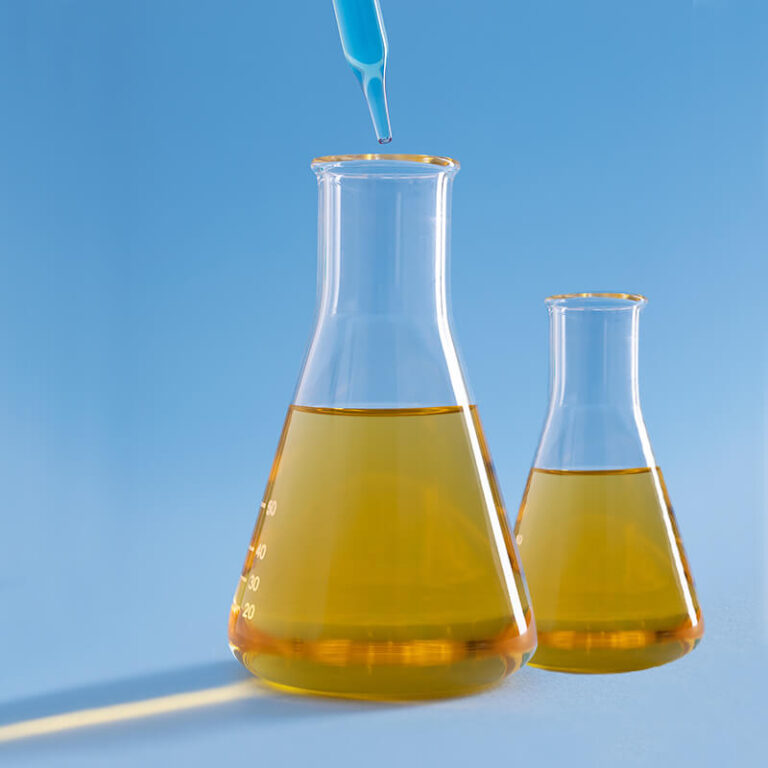
Industrial Lubricant Additives: Essential Components for Machinery
In the complex world of industrial machinery, the difference between optimal performance and costly downtime often lies in the chemistry of the lubricant. Industrial lubricant additives are sophisticated chemical compounds that transform ordinary base oil lubricants into high-performance fluids capable of withstanding extreme pressures, temperatures, and operating conditions. This comprehensive guide explores the critical role these additives play, their various types, and how leading lubricant additives manufacturers develop solutions to meet modern industrial challenges.
Anti Wear Agent: The Essential Protector in Hydraulic Systems
In the demanding world of hydraulic systems, the relentless forces of friction and pressure pose a constant threat to component longevity. This is where the specialized role of an anti wear agent becomes indispensable. As a cornerstone of advanced hydraulic oil additives packages, these agents are engineered to form a sacrificial shield on metal surfaces, dramatically reducing wear, preventing costly downtime, and extending the operational life of critical machinery. This guide delves into the science, selection, and significant benefits of these essential protectors for your antiwear hydraulic oil.

Understanding Lubricants and Additives: A Comprehensive Guide
In the world of industrial machinery and automotive engineering, the right combination of lubricants and additives is critical for performance, efficiency, and longevity. This comprehensive guide explores the science behind lubricating agents, their additives, and how they work together to protect your machinery.
Modern lubricants and additives are engineered for specific industrial applications
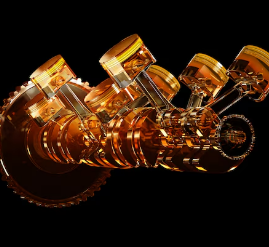
Engine Oil Lubricant Technology Comprehensive Guide
Understanding engine oil lubricant formulations and the critical role of advanced motor oil additives in modern lube lubrication systems. This comprehensive guide explores complete lubricant products solutions from leading lubricant engine oil manufacturer experts.
Industry Insight: Advanced engine oil lubricant with proper motor oil additives can extend engine life by 30-50% and improve fuel efficiency by 2-5%
Detergent Additives in Lubricating Oils Technology
Understanding detergent additives in lubricating oils and their critical role in maintaining engine cleanliness, neutralizing acids, and preventing harmful deposits. This comprehensive guide explores linear alkylbenzene sulfonate uses and advanced detergent technologies including calcium sulfonate oil additive formulations.
Industry Insight: Proper detergent additives in lubricating oils can reduce engine deposits by 70-90% and extend oil life by 30-50%

Oil Additive Engine Cleaner Technology
Understanding oil additive engine cleaner formulations and their critical role in removing deposits, restoring performance, and extending engine life. This comprehensive guide explores effective engine cleaning oil additives, flush treatments, and carbon removal technologies.
Industry Insight: Proper engine oil flush additive treatments can remove 70-90% of accumulated sludge and restore compression by 5-15% in carbon-fouled engines
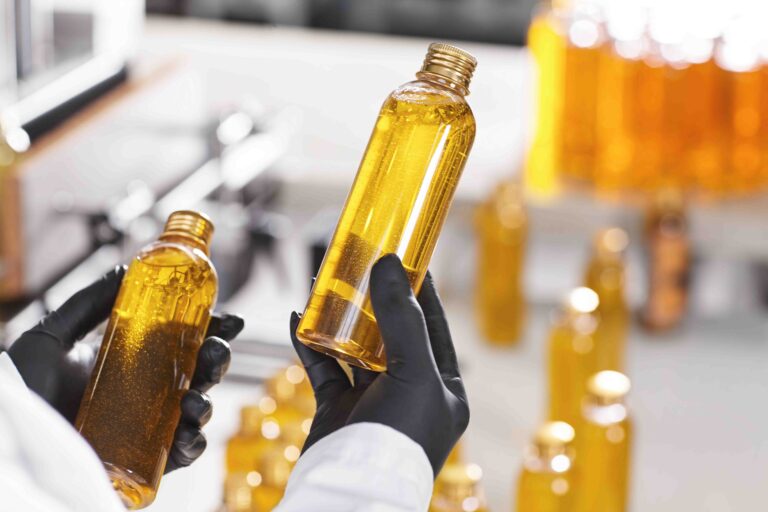
Zinc Additive for Engine Break-In Technology
Understanding zinc additive for engine break in and the critical role of ZDDP in protecting new and rebuilt engines during the critical break-in period. This comprehensive guide explores proper zddp levels in motor oil, application techniques, and selecting the best zinc additive for motor oil for engine protection.
Industry Insight: Proper zinc additive for engine break in can reduce camshaft and lifter wear by 70-90% during the critical first 500-1,000 miles of engine operation
Anti-Wear Engine Treatment: Maximizing Engine Protection
Understanding anti wear engine treatment oil additive formulations and anti friction engine oil additives for maximizing engine protection, reducing wear, and improving fuel efficiency. This comprehensive guide explores advanced technologies for extending engine life and optimizing performance.
Industry Insight: High-quality anti wear agent formulations can reduce engine wear by 60-80% and improve fuel efficiency by 2-5%
Ethylene Propylene Polymers Technology
Understanding EPR oil additive formulations based on ethylene propylene polymers and their critical role in enhancing lubricant performance. This comprehensive guide explores how ethylene propylene diene rubber EPDM and related polymers improve viscosity modification, shear stability, and temperature performance.
Industry Insight: The global ethylene propylene diene monomer market is projected to reach $7.8 billion by 2027, with lubricant additives representing a significant growth segment
Antioxidant Additive: Essential Protection Against Oil Degradation
Understanding antioxidant additive formulations and their critical role in preventing lubricant degradation, extending service life, and protecting equipment from oxidative damage. This comprehensive guide explores advanced antioxidant technologies for modern lubrication systems.
Industry Insight: High-quality antioxidant additive formulations can extend lubricant life by 200-400% and prevent costly equipment failures
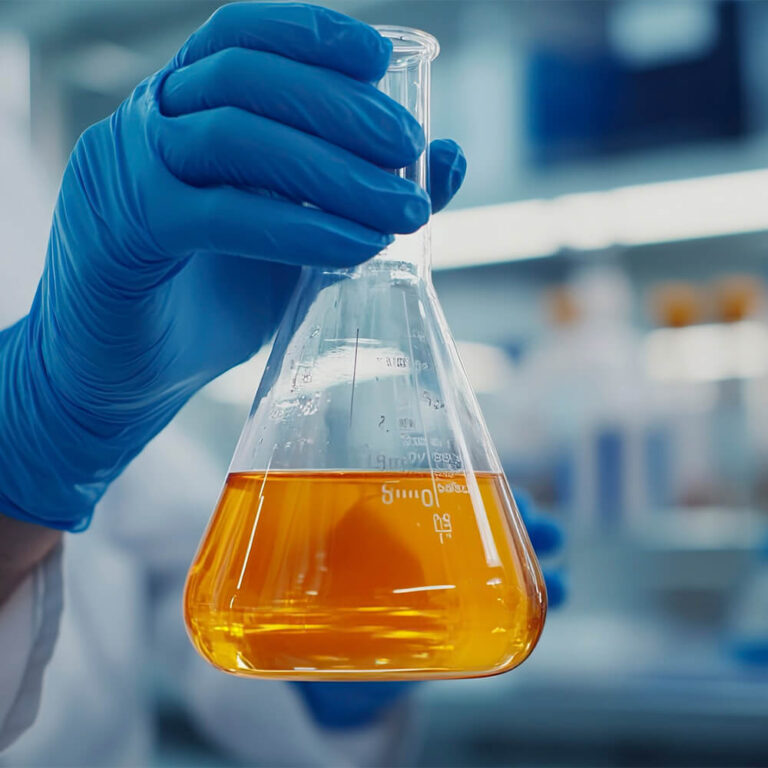
Extreme Pressure Additives: Protection for High-Load
Understanding extreme pressure additives and their critical role in protecting equipment under severe load conditions. This comprehensive guide explores how these specialized additives prevent wear and failure in demanding applications across industries.
Industry Insight: The global EP AW additives market is projected to reach $8.5 billion by 2027, growing at 3.5% CAGR driven by industrial expansion
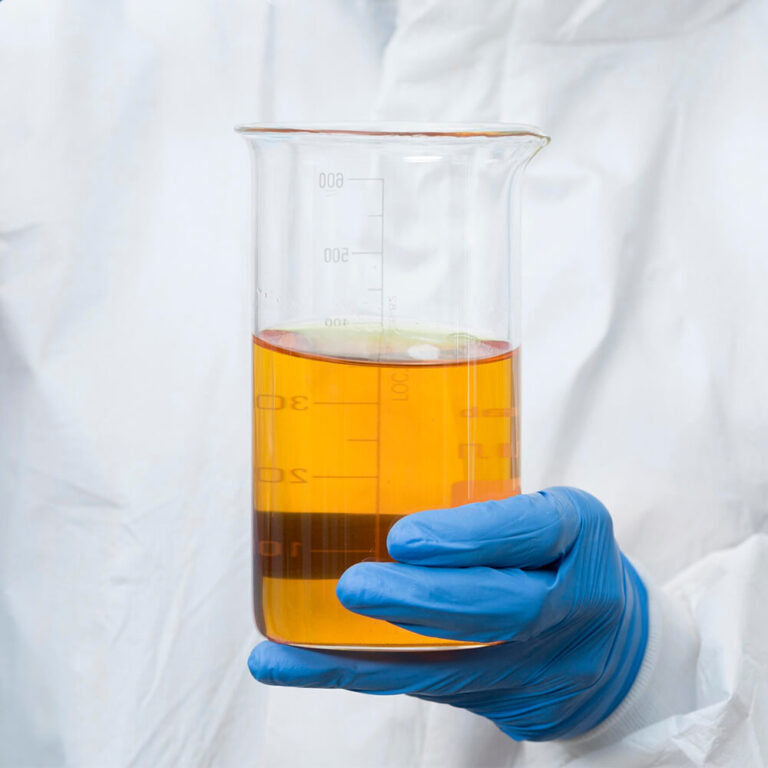
Viscosity Improver Additives for Superior Lubricant Performance
Understanding viscosity improver additives and their functions is essential for optimizing lubricant performance across temperature extremes. This comprehensive guide explores the critical role of specialized additives in modern lubrication technology.
Industry Insight: Advanced viscosity index improver polymers can extend equipment life by up to 40%
Lubricating Additives: Enhancing Performance Across Industries
Understanding lubricating additives and their functions is essential for optimizing equipment performance, extending service life, and reducing operational costs across industries. This comprehensive guide explores the critical role of specialized additives in modern lubrication technology.
Industry Insight: The global lubricating oil additives market is projected to reach $22.5 billion by 2028, growing at 3.8% CAGR
ZDDP Engine Oil Additive Technology
Understanding ZDDP engine oil additive and its critical role in protecting classic, performance, and flat-tappet engines from wear. This comprehensive guide explores why zinc additives remain essential for certain engines despite modern oil formulations.
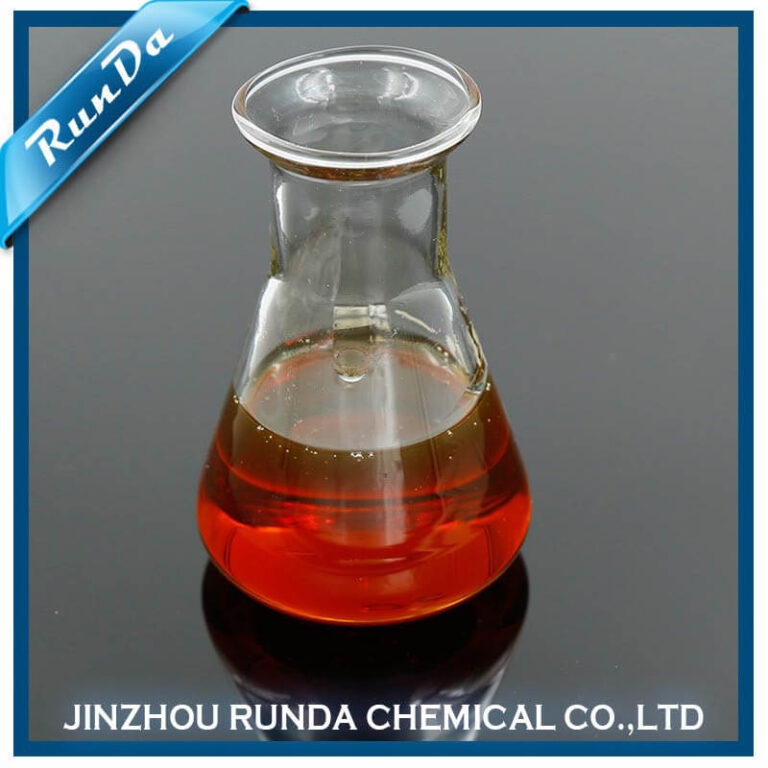
Hydraulic Fluid Additives Technology
Understanding hydraulic fluid additives and their critical functions in optimizing hydraulic system performance, protecting components, and extending equipment life. This comprehensive guide explores specialized additives for modern hydraulic applications.
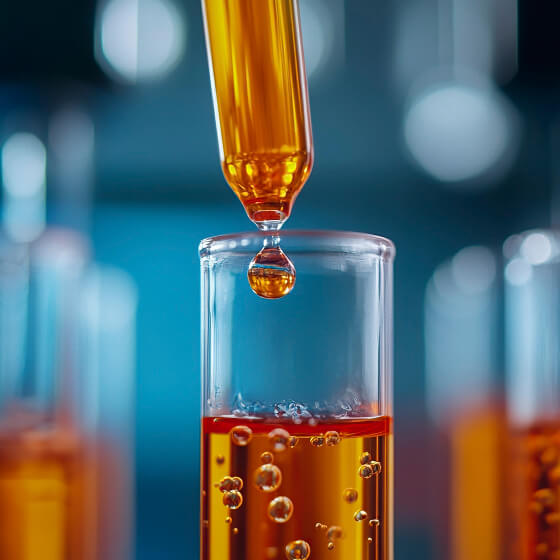
Diesel Additive for Lubricity Technology
Understanding diesel fuel lubricity additives and their critical role in protecting modern diesel fuel systems. This comprehensive guide explores how specialized additives prevent wear, maintain efficiency, and extend the life of diesel engines and components.
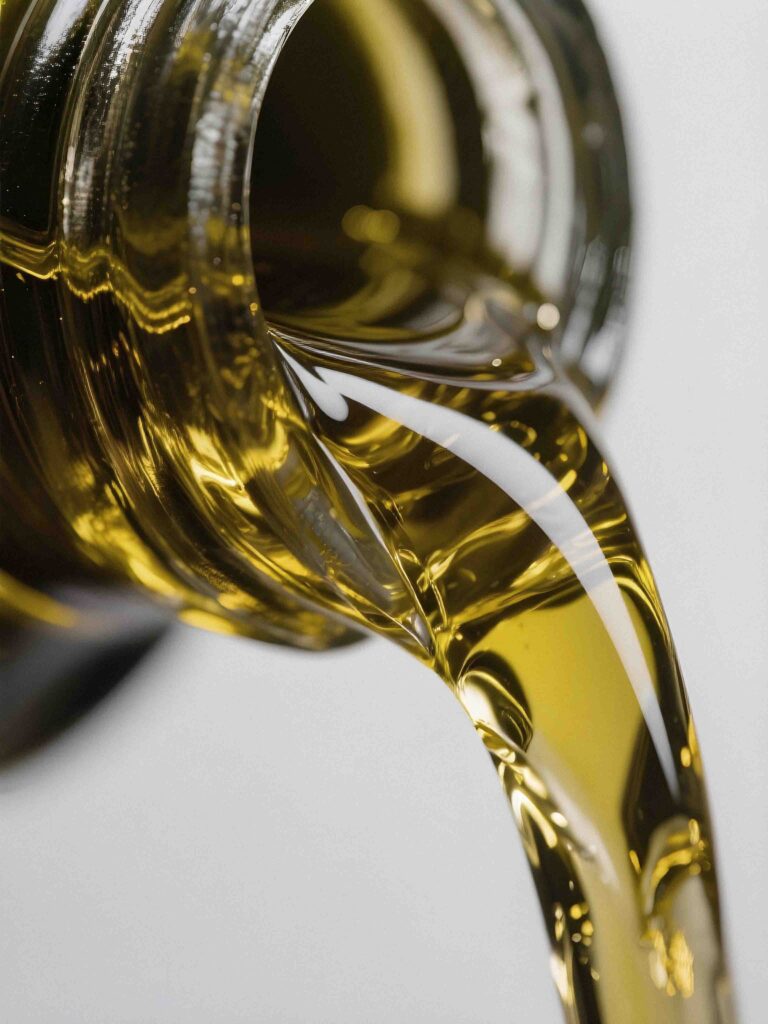
Transmission Oil Additives Technology
Understanding transmission oil additives and their functions is essential for optimizing transmission performance, extending component life, and ensuring smooth operation. This comprehensive guide explores the critical role of specialized additives in modern transmission systems.
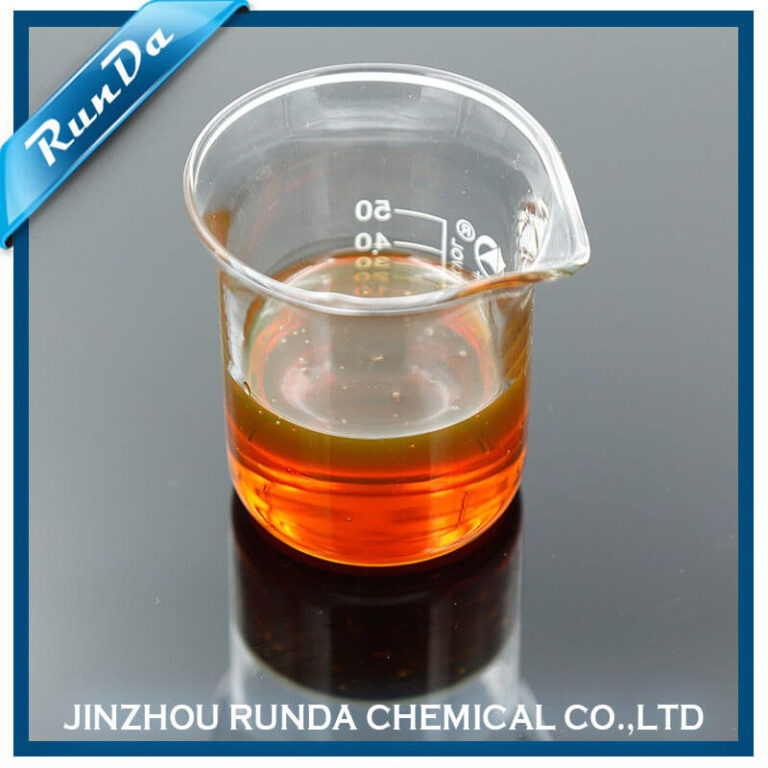
Antioxidant Additives for Lubricants Technology
Understanding antioxidant additives and their functions is essential for extending lubricant life, protecting equipment, and preventing oxidative degradation. This comprehensive guide explores the critical role of specialized antioxidants in modern lubrication technology.
Industry Insight: Advanced antioxidant additives can extend lubricant service life by 200-300%
Extreme Pressure Lubrication Technology
Understanding extreme pressure lubrication and EP additives in lubricants is essential for protecting equipment under severe loads. This guide explores the critical role of specialized additives in preventing wear and failure in demanding applications.
Propylene Ethylene Copolymer & EPDM
Propylene ethylene copolymer and its related terpolymer, ethylene propylene diene monomer (EPDM), are foundational synthetic polymers with critical applications in lubricant additives and beyond. Understanding the unique ethylene propylene diene monomer structure and properties is key for formulators seeking to enhance lubricant performance, particularly through viscosity modification and additive synergy.
Polyisobutylene (PIB): Applications & Additive Technology
Polyisobutylen (more commonly known as polyisobutylene or PIB) represents one of the most versatile synthetic polymers with applications spanning lubricant additives, adhesives, sealants, and numerous industrial products. As a PIB additive in lubricants or as a polyisobutylene adhesive in industrial applications, this unique polymer offers exceptional properties including excellent moisture resistance, chemical inertness, and tunable viscosity characteristics. Understanding polyisobutylene PIB technology is essential for formulators across multiple industries.
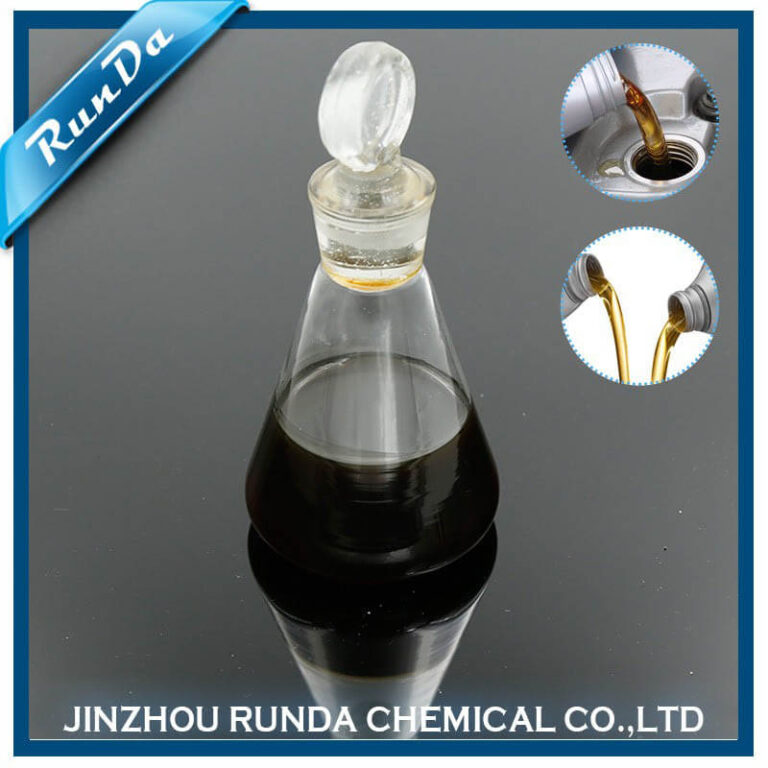
Rust Inhibitor:Advanced Corrosion Protection Additives
Rust Inhibitor technology represents one of the most essential classes of lubricant additives, protecting metal surfaces from the destructive effects of corrosion in industrial, automotive, and marine applications. From traditional sodium petroleum sulfonate and barium petroleum sulfonate compounds to advanced corrosion inhibitor chemical formulations, these additives form protective barriers that prevent rust formation and extend equipment life. Understanding the different types of rust preventives and their applications is critical for formulators and maintenance professionals.
Pour Point Depressants
Pour point depressants represent a critical class of lubricant additives that enable oils to flow at low temperatures where they would otherwise solidify or become unpumpable. These specialized chemicals modify the wax crystallization behavior in mineral oils, preventing the formation of three-dimensional networks that restrict flow. Understanding how pour point depressant technology works and its safety considerations (including pour point depressant msds information) is essential for formulators working with lubricants for cold climate applications.
Oil Anti Foaming Additive
Oil anti foaming additive technology plays a critical role in maintaining the performance and reliability of hydraulic systems, engines, and industrial machinery. Excessive foam in lubricants can lead to serious operational problems including reduced heat transfer, cavitation damage, inaccurate fluid level readings, and impaired lubrication. Understanding how anti foaming agent for hydraulic oil and engine oils work is essential for formulators and maintenance professionals across industrial sectors.
Demulsifier Additive
Demulsifier additive technology represents a critical component in modern lubricant and fuel formulations, designed to address one of the most persistent challenges in fluid systems: water contamination. Unlike their functional opposites—emulsifier additive formulations that create stable mixtures—demulsifiers promote rapid and complete separation of water from oil phases. Understanding when and how to use demulsifier diesel additive and industrial lubricant formulations is essential for maintaining system integrity and performance.
Zinc Additives for Motor Oil
Zinc additives for motor oil, specifically Zinc Dialkyldithiophosphate (ZDDP), represent one of the most important technological advancements in lubricant history. These zddp additive for oil formulations provide critical anti-wear and antioxidant protection that has enabled modern engines to achieve unprecedented durability and performance. Understanding the proper application of zinc additive motor oil technology is essential for formulators, engine builders, and maintenance professionals across the automotive and industrial sectors.
PIBSA Emulsifiers: Polyisobutylene Succinic Anhydride Technology
PIBSA emulsifiers and dispersants represent one of the most important classes of additives in modern lubricant technology. Polyisobutylene Succinic Anhydride (PIBSA) chemistry forms the foundation for high-performance dispersants, emulsifiers, and other functional additives essential for maintaining engine cleanliness, fuel efficiency, and component protection. Understanding pibsa chemical properties and their diverse applications is critical for formulators and engineers working with advanced lubricant systems.
Friction Reducer Oil Additives
Friction reducer oil additive technology represents a critical advancement in lubricant science, directly addressing the fundamental challenge of mechanical efficiency. These specialized additives, including both antiwear additives and dedicated friction additive formulations, work synergistically to minimize energy losses, reduce component wear, and extend equipment life across automotive, industrial, and manufacturing applications.

Antioxidant Additives in Lubricants
Antioxidant additives in lubricants represent one of the most critical components in modern lubricant formulations. These specialized chemicals combat the natural degradation of oils caused by oxidation—a process that accelerates under heat, pressure, and contamination. Understanding the role of lubricant antioxidants is essential for maximizing equipment life, extending oil drain intervals, and maintaining optimal system performance across industrial and automotive applications.
Viscosity Index Improvers: Engine Oil Thickeners and Tackifiers
Viscosity index improvers are essential polymer additives that enable modern multigrade engine oils to perform effectively across extreme temperature ranges. These specialized thickener for liquid formulations work by modifying the viscosity-temperature relationship of base oils, creating viscous lubricant products that protect engines during cold starts while maintaining film strength at high operating temperatures.
How Do Antifoam Agents Work?
Foam formation in industrial fluids, lubricants, and cleaning solutions can cause significant operational problems including reduced efficiency, overflow, and impaired performance. Understanding how do antifoam agents work is essential for anyone involved in fluid formulation, manufacturing, or maintenance. This comprehensive guide explores the science behind these crucial additives, from basic definitions to advanced market applications.
Diesel Antifreeze Additives: Cold Weather & Corrosion Protection
When temperatures plummet, diesel fuel faces a critical challenge: the formation of wax crystals that can gel fuel lines and shut down engines. A high-quality diesel antifreeze additive is not merely a seasonal product—it’s an essential component for protecting fuel systems, preventing corrosion, and ensuring operational reliability in cold climates. This guide explores how advanced antifreeze diesel fuel additives work, their key benefits, and how to select the best antifreeze additive for your specific needs.
Corrosion Inhibitors: Essential Rust Protection
In the demanding world of industrial machinery and precision manufacturing, metal surfaces constantly face threats from moisture, oxygen, and corrosive elements. Corrosion inhibitors serve as the essential protective barrier in lubricants and metalworking fluids, preventing rust formation and extending equipment life. These specialized chemical compounds, also known as Rust Inhibitor additives, work proactively to safeguard metal surfaces from degradation, ensuring optimal performance and reduced maintenance costs across diverse industrial applications.
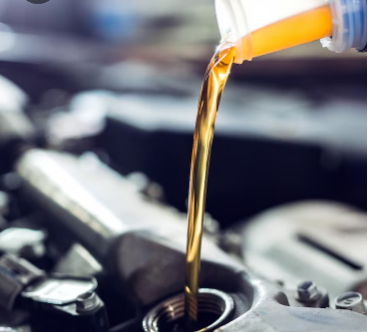
Engine Lubricant Additives Technology
Modern engine oils represent some of the most sophisticated chemical formulations in the automotive industry. While base oils provide fundamental lubrication, it’s the precisely engineered package of engine lubricant additives that transforms simple oil into a multi-functional fluid capable of protecting engines under extreme conditions. These specialized chemical compounds address the inherent limitations of base oils and provide critical functions that extend engine life, improve performance, and reduce maintenance costs.

Leading Lubricant Companies: Market Analysis & Industry Trends
The global lubricants industry represents a dynamic and essential sector within the broader energy and chemicals landscape. Lubricant companies operate at the intersection of petroleum refining, chemical engineering, and mechanical innovation, producing essential products that keep machinery, vehicles, and industrial processes running smoothly. From multinational energy giants to specialized niche producers, these lubricant companies collectively serve a market valued at over $150 billion annually.
Engine Oil Lubricant Additives: The Complete Technical Guide
Modern engine oils represent one of the most sophisticated chemical formulations in automotive technology. While base oils provide fundamental lubrication, it’s the precisely balanced package of engine oil lubricant additives that transforms simple oil into a multi-functional fluid capable of protecting engines under extreme operating conditions. These specialized chemical compounds address the inherent limitations of base oils and provide critical functions that extend engine life, improve performance, and reduce maintenance costs.
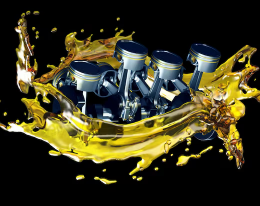
Additives for Engine Oil: Their Functions and Types
Modern engine oil additives represent some of the most sophisticated chemical engineering achievements in automotive technology. While base oils provide fundamental lubrication, it’s the carefully balanced package of additives for engine oil that transforms simple oil into a multifunctional fluid capable of protecting engines under extreme conditions. Understanding these additives in engine oil is essential for anyone involved in lubricant formulation, automotive maintenance, or mechanical engineering.
Anti Wear Additives and Their Functions
In the world of machinery and industrial equipment, metal-to-metal contact is one of the primary causes of component failure. This is where anti wear additives play a critical role. These specialized chemical compounds are essential components of modern lubricants, designed to protect equipment surfaces from damage during operation.
Metalworking fluid additives and Their Functions
Understanding metalworking fluid additives and their functions is essential for optimizing machining operations, improving tool life, and ensuring superior workpiece quality. This comprehensive guide explores the critical role of specialized additives in modern manufacturing processes.
Gear oil additives and Their Functions
Understanding gear oil additive technology and their functions is essential for maintaining optimal gear system performance and longevity. This comprehensive guide explores how advanced gear oil additives protect transmission components and enhance efficiency.

Hydraulic Oil Additive and Their Functions
Understanding hydraulic oil additive technology and their functions is crucial for maintaining optimal hydraulic system performance. This comprehensive guide explores how specialized hydraulic oil additives enhance system efficiency and longevity.
Lubricant Additives and Their Functions
Understanding lubricant additives and their functions is essential for optimizing equipment performance and longevity. This comprehensive guide explores the lubricant additives chemistry and applications that make modern lubrication possible.
What is lubricant additives?
Lubricant additives are specialized chemical compounds that transform base oils into high-performance lubricants. Understanding types of lubricant additives and their functions is essential for optimizing equipment performance and longevity.
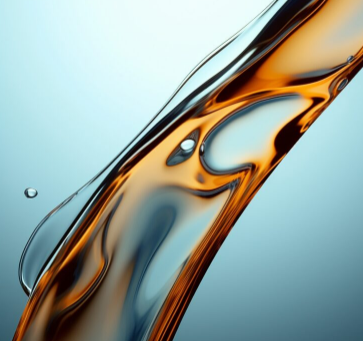
Lube Oil Additives Technical Guide
Modern lube oil additives represent the pinnacle of lubrication technology, transforming base oils into sophisticated engineering solutions. As leading lubricant additive manufacturers, Runda Chemical develops cutting-edge lubricating oil additives that redefine performance standards.
Lubricant Additives: The Complete Technical Guide
Modern lubricant additives are sophisticated chemical compounds that transform base oils into high-performance lubricants. As leading lubricant additives manufacturers, Runda Chemical develops cutting-edge additives for lubricants that enhance performance, extend equipment life, and reduce operational costs.
Engine Lubricants and Additives: The Complete Technical Guide
The proper selection and application of engine lubricants and additives is critical for maximizing engine performance, extending service life, and reducing operational costs. At Runda Chemical, we’ve developed cutting-edge additive technologies that redefine lubrication standards.
Viscosity Index Improvers for Lubricating Oils: The Complete Technical Guide
Viscosity index improvers are essential additives that enable lubricants to maintain optimal viscosity across wide temperature ranges. At Runda Chemical, we’ve pioneered advanced viscosity index improver technologies that redefine performance standards in modern lubrication.
Understanding Ethylene Propylene Copolymer: Properties and Applications
As a leading chemical manufacturer, Jinzhou Runda Chemical is committed to providing valuable insights into the industrial materials we produce. Today, we’re exploring the versatile world of ethylene propylene copolymer and its various forms, including the widely used ethylene propylene diene monomer (EPDM).

Antifreeze Additives: Essential Protection for Engine Cooling Systems
Antifreeze additives are specialized chemical compounds designed to enhance the performance and protection of engine cooling systems. These additives play a crucial role in preventing freeze-ups, reducing corrosion, and improving heat transfer efficiency. A high-quality antifreeze additive can extend the life of cooling system components and prevent costly repairs, making it an essential component of vehicle maintenance, especially in extreme weather conditions.
Antifoaming Agents: Essential Solutions for Foam Control in Industrial Processes
Antifoaming agents, also known as defoamers, are chemical additives that prevent or reduce foam formation in industrial processes. Understanding what is antifoaming agent and its applications is crucial for maintaining efficient operations across various industries. These specialized chemicals work by destabilizing foam bubbles and preventing their formation, ensuring smooth processing and product quality.
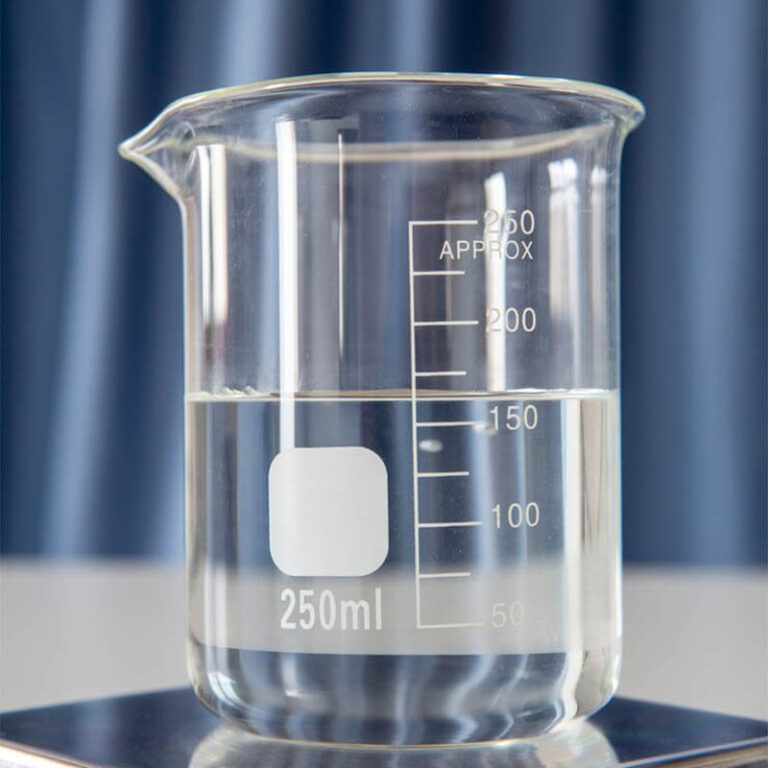
Demulsifier Additives: Essential Solutions for Fuel and Oil Separation
Demulsifier additives are specialized chemicals designed to break emulsions in petroleum products, particularly in diesel fuel and crude oil. These additives play a crucial role in ensuring fuel quality, preventing equipment damage, and improving processing efficiency. A demulsifier additive works by destabilizing the interfacial film that surrounds water droplets, allowing them to coalesce and separate from the oil phase.
Pour Point Depressants: Essential Additives for Oil Flow Improvement
Pour point depressants (PPDs) are crucial additives in the petroleum industry, designed to improve the low-temperature flow properties of oils and fuels. Understanding what is pour point depressant and its applications is essential for efficient operations in cold climates. These specialized chemicals modify wax crystal formation, ensuring that oils remain pumpable even at significantly lower temperatures.
Friction Modifier Oil Additives: Enhancing Engine Performance
Friction modifiers are essential additives that transform ordinary lubricants into high-performance solutions. This comprehensive guide explores the science behind friction modifier oil additive technology, its benefits, and how it enhances engine performance and longevity. Friction modifier additives work by creating a protective layer between moving parts, reducing wear and improving fuel efficiency.

Molybdenum Additives for Engine Oil: Performance Enhancement Guide
Molybdenum additives represent a breakthrough in lubrication technology, offering exceptional friction reduction and wear protection for modern engines. This comprehensive guide explores the science behind moly additive for engine oil, its applications, and how it enhances engine performance and longevity.

Extreme Pressure Lubrication Review
Extreme Pressure (EP) lubrication technology represents one of the most significant advancements in industrial tribology, enabling machinery to operate under severe conditions that would destroy conventional lubricants. This comprehensive guide explores the science behind EP lubrication, its critical applications, and why selecting the right EP oil additives is essential for protecting high-load equipment across industries. Extreme pressure additives are used for preventing metal-to-metal contact in boundary lubrication regimes where standard lubricants fail.
RunDa Gear Oil Additive Review: Expert Analysis
In this detailed RunDa gear oil additive review, we examine one of the market’s leading gear protection solutions. The RunDa MoS2 gear oil additive uses advanced solid lubricant technology to reduce friction and extend the life of transmission components.
ZDDP Additive Buying Guide
Zinc Dialkyl Dithiophosphate (ZDDP) is a critical component in engine oils, especially for older engines. This comprehensive guide will help you understand why ZDDP matters, how to choose the right oil additive with ZDDP, and what to look for in a high-quality anti corrosive lubricant.
Engine Oil Cleaning Additives: The Key to Longevity and Efficiency
Engine sludge and deposits are silent killers of engine performance and longevity. At Runda Chemical, we’ve developed specialized cleaning additives that remove harmful deposits, restore engine efficiency, and prevent costly repairs.
Comprehensive Guide to Lubricant Additives
Lubricant additives are the unsung heroes of industrial efficiency, transforming base oils into high-performance solutions that protect machinery, reduce friction, and extend equipment life. As leading lubricant additive manufacturers, Runda Chemical has pioneered advanced formulations that redefine performance standards.

The Ultimate Guide to Transmission Oil Additives
Your transmission is one of the most complex and expensive components in your vehicle. At Runda Chemical, we’ve developed specialized transmission additives that protect against wear, improve shifting performance, and extend the life of your transmission.
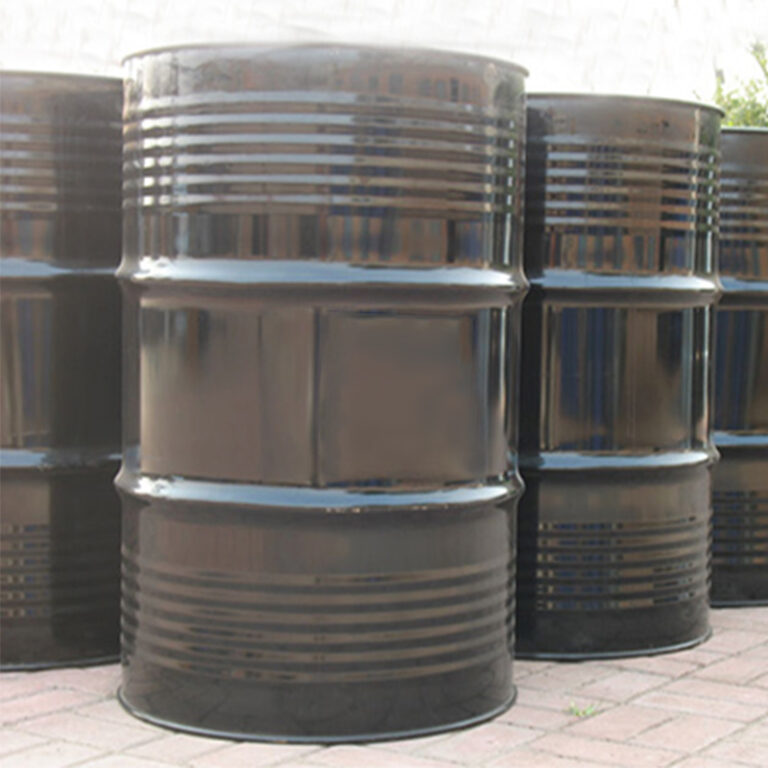
Advanced Hydraulic Solutions for Industrial Efficiency
Hydraulic systems are the lifeblood of industrial operations, powering everything from manufacturing equipment to heavy machinery. At Runda Chemical, we’ve developed specialized hydraulic additives that enhance performance, extend component life, and reduce costly downtime.
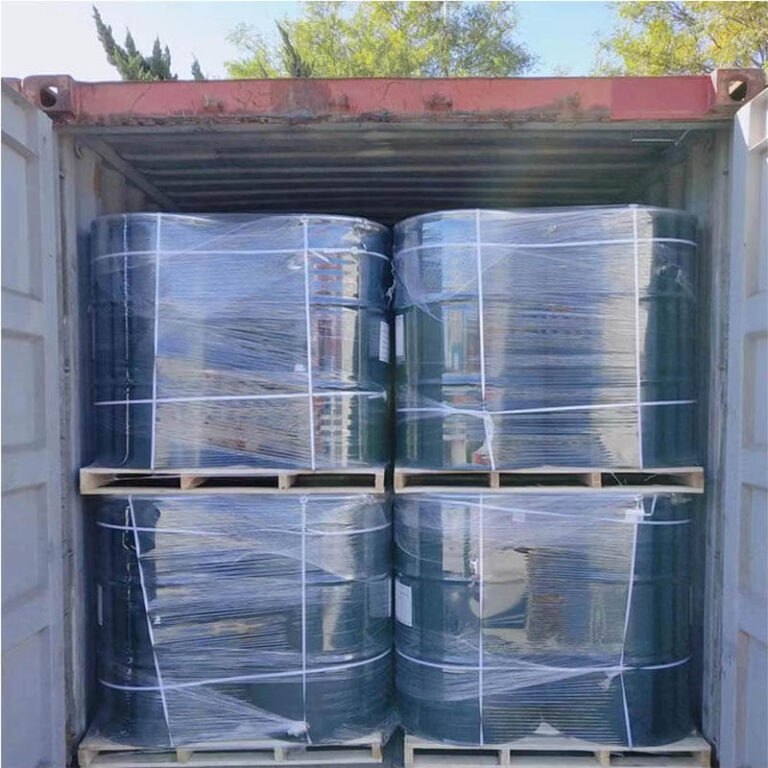
The Science Behind High-Performance Engine Oil Additives
In today’s demanding automotive environment, engine oil additives are no longer optional extras – they’re essential components for engine longevity and performance. At Runda Chemical, we’ve pioneered advanced additive technology that extends engine life, improves fuel efficiency, and reduces maintenance costs.
The Ultimate Guide to Diesel Engine Oil Additives
In the demanding world of diesel engines, maintaining optimal lubrication is critical for performance and longevity. At Runda Chemical, we’ve developed cutting-edge formulations that extend engine life, improve fuel efficiency, and reduce maintenance costs.
Advanced Lubrication Solutions for Modern Diesel Engines
In today’s demanding diesel engine environment, maintaining optimal lubricity is not just beneficial—it’s essential for engine longevity and performance. At Jinzhou Chemical, we’ve engineered cutting-edge solutions to address the lubrication challenges of modern diesel fuels.

Lubricant Additives: Functions, Types & Advanced Applications
In modern machinery and engines, base oils alone cannot provide the comprehensive protection and performance required for optimal operation. This is where lubricant additives play a crucial role. These specialized chemical compounds, typically constituting 15-30% of formulated lubricants, enhance base oil properties and introduce new performance characteristics.
Lubricant Additives: Chemistry, Market Dynamics & Advanced Applications
Molecular structure of lubricant additives with industrial application
Modern machinery demands lubrication systems that exceed the capabilities of base oils alone. Lubricant additives are specialized chemical compounds engineered to enhance base oil performance, protect equipment under extreme conditions, and extend operational lifetimes.
How Lubricant Additives Extend Engine Life: The Science Behind the Protection
Cutaway view of engine showing lubricant film protection
Advanced lubricant additives can extend engine life by 40-60% when properly formulated. This technical examination reveals how additive chemistry creates protective mechanisms at the molecular level to combat the four primary engine degradation pathways.

Demystifying Lubricant Additives: Antioxidants, Anti-Wear Agents, Detergents and More
Molecular structures of common lubricant additives
The modern lubricant additive family comprises seven primary functional groups that work synergistically to protect equipment. This technical breakdown explores their chemical structures, working mechanisms, and typical concentrations in formulated lubricants.
How to Choose the Right Lubricant Additives
Mechanic comparing different lubricant bottles
Selecting the optimal lubricant additives requires understanding several critical performance indicators. With hundreds of additive combinations available, this guide will help you navigate the selection process based on measurable parameters and application requirements.

Lubricant Additives: Types, Functions and Key Benefits Explained
Various lubricant additive containers with molecular structure background
Modern lubricants are complex formulations where additives can comprise up to 30% of the total volume. These specialized chemicals transform base oils into high-performance fluids capable of protecting equipment under extreme conditions. In this comprehensive guide, we’ll explore the fundamental types of lubricant additives and their critical functions.
Decoding Industry Standards: Key Additive Requirements in API/ACEA Specifications
API Standards: The North American Benchmark.ACEA Standards: European Precision.Certification Process Breakdown.Additive Formulation Strategies. Future Regulatory Trends
The Invisible Battlefield of Metalworking Fluids: Synergistic Strategies for Extreme Pressure Agents and Rust Inhibitors
Metalworking fluids (MWFs) must simultaneously address extreme pressure (EP) lubrication during cutting, stamping, or grinding operations and inter-process corrosion protection. However, traditional EP additives (e.g., sulfurized compounds) often corrode metal surfaces, while rust inhibitors (e.g., carboxylic acid amines) may compromise lubricity. Bridging this conflict through synergistic optimization has become a critical focus for the industry.
In-Depth Analysis of Lubricant Additive Chemistry: How to Formulate High-Performance Additive Packages
Formulating high-performance additive packages is a fusion of molecular-level chemistry and industrial pragmatism. Success hinges on mastering additive synergies, leveraging advanced tools like DOE and AI, and anticipating regulatory shifts. As the industry marches toward carbon neutrality, additive innovation will remain pivotal in achieving both performance and planetary sustainability.
Lubricant Additives Breakdown: How Do Anti-Wear, Antioxidant, and Detergent Additives Differ?
Anti-wear, antioxidant, and detergent additives are the “three guardians” of lubricants, addressing mechanical wear, chemical stability, and system cleanliness. Understanding their differences empowers manufacturers and distributors to optimize formulations, comply with evolving standards, and deliver value to end-users.