Comprehensive Guide to Additive Technology and Performance Enhancement
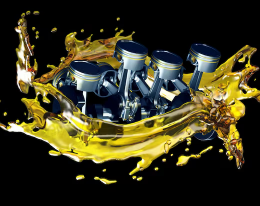
In modern machinery and engines, base oils alone cannot provide the comprehensive protection and performance required for optimal operation. This is where lubricant additives play a crucial role. These specialized chemical compounds, typically constituting 15-30% of formulated lubricants, enhance base oil properties and introduce new performance characteristics.
Lubricant Additives and Their Functions
Understanding lubricant additives and their functions is essential for selecting the right formulation for any application. Additives serve multiple critical purposes:
Key Functions: Additives protect equipment by reducing friction and wear, neutralizing acidic compounds, preventing oxidation and corrosion, maintaining viscosity stability, and keeping contaminants dispersed throughout the oil.
The precise combination of additives in a lubricant determines its performance characteristics and suitability for specific applications. Without these vital components, engines and industrial equipment would experience significantly reduced service life and efficiency.
What Additives Are Used in Lubricating Oils?
When considering what additives are used in lubricating oils, it’s important to recognize the seven primary functional categories:
| Additive Type | Primary Function | Common Compounds | Applications |
|---|---|---|---|
| Detergents | Neutralize acids, prevent deposits | Calcium sulfonates, Magnesium phenates | Engine oils, marine lubricants |
| Dispersants | Suspend contaminants, prevent sludge | Polyisobutylene succinimide (PIBSI) | Passenger car motor oils |
| Antioxidants | Prevent oil oxidation, extend life | ZDDP, Hindered phenols, Amines | All lubricants, especially turbine oils |
| Anti-wear Agents | Protect surfaces under boundary lubrication | ZDDP, TCP, Molybdenum compounds | Hydraulic systems, gear oils |
| Viscosity Modifiers | Maintain viscosity across temperatures | OCP, PMA, Styrene copolymers | Multi-grade engine oils |
| Corrosion Inhibitors | Protect metal surfaces from corrosion | Benzotriazole, Fatty acids | Industrial oils, marine applications |
| Friction Modifiers | Reduce friction between surfaces | Organic fatty acids, Graphite | Fuel-efficient engine oils |
Types of Additives in Lubricants
The specific types of additives in lubricants vary based on application requirements. Here’s a technical overview of key additive categories:
Anti-Wear Additives
Form protective films on metal surfaces under boundary lubrication conditions. ZDDP is the most common, forming polyphosphate films at 90-160°C.
Antioxidants
Radical scavengers like hindered phenols and peroxide decomposers such as ZDDP that interrupt oxidation chains, extending oil service life.
Detergents & Dispersants
Metallic detergents neutralize acids while ashless dispersants suspend contaminants. Modern packages combine both functions.
Viscosity Modifiers
Polymers that expand at higher temperatures to maintain viscosity. Olefin copolymers (OCP) are most common in engine oils.
Pro Lube Oil Additive Solutions
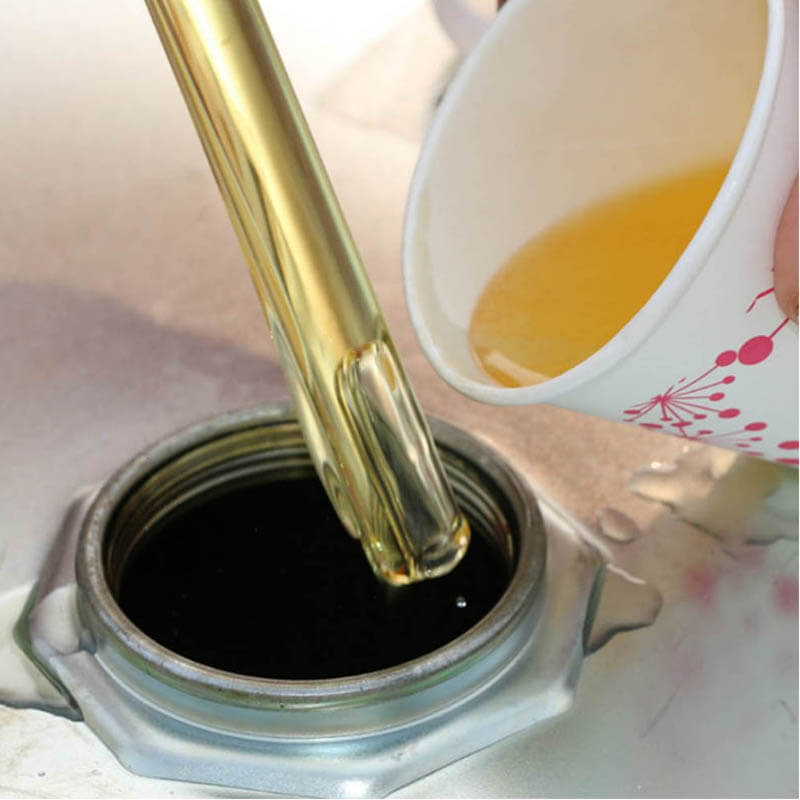
For industrial and commercial applications, pro lube oil additive packages deliver enhanced performance characteristics:
- Extended Drain Intervals: Advanced antioxidant systems that maintain TBN above critical levels for 2-3x longer service life
- Extreme Temperature Stability: Synthetically engineered additives performing from -40°C to 200°C+
- Emission Control: Low-SAPS (Sulfated Ash, Phosphorus, Sulfur) formulations for modern exhaust systems
- Multi-functional Additives: Molecules that combine anti-wear, antioxidant, and friction modification properties
Jinzhou Runda’s RD3000 Series represents the next generation of pro additive technology, offering superior deposit control and wear protection even under severe operating conditions with extended drain intervals.
Diesel Fuel Lubricity Additives
The importance of diesel fuel additive for lubricity has grown significantly with modern ultra-low sulfur diesel (ULSD) fuels:
Why Lubricity Matters in Diesel Fuels
With sulfur content reduced to 15ppm in ULSD, natural lubricity properties diminished, leading to increased wear in fuel injection systems. Lubricity additives restore this vital protection.
Diesel Fuel Lubricity Additive Study Findings
Recent diesel fuel lubricity additive study research reveals:
- Biodiesel blends provide natural lubricity but present stability challenges
- Ester-based additives offer superior performance to acid-based alternatives
- Optimal treat rates between 150-300 ppm balance cost and performance
- Multi-functional additives that also provide cetane improvement and deposit control are gaining market share
Jinzhou Runda Chemical Co., Ltd.
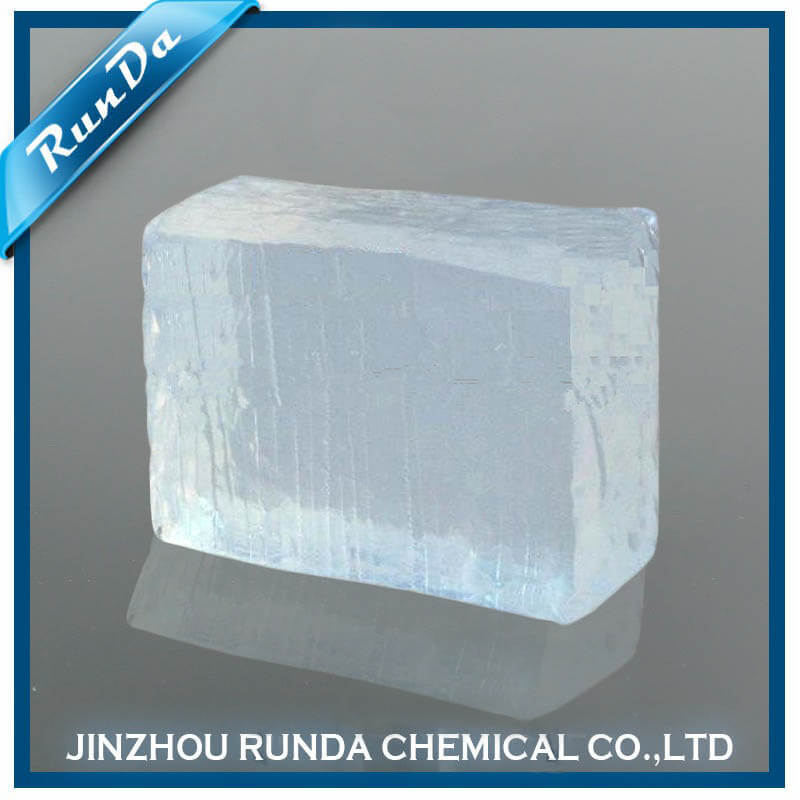
Established in 1996, Jinzhou Runda Chemical is a leading manufacturer of high-performance lubricant additives with production facilities in Jinzhou and Liaoyang. Our product portfolio includes advanced detergent/dispersant systems, anti-wear agents, antioxidants, and specialty additives for automotive, industrial, and marine applications.
The lubricant additive industry continues to evolve with several key trends:
- Electrification: New additive formulations for hybrid and electric vehicle systems
- Sustainability: Bio-based additives with improved biodegradability profiles
- Digitalization: Smart additives with condition-monitoring capabilities
- Performance Enhancement: Nanotechnology applications for superior film strength
As regulations tighten and equipment demands increase, advanced additive technology will continue to play a critical role in lubrication performance. Jinzhou Runda remains at the forefront of developing innovative solutions to meet these evolving challenges.