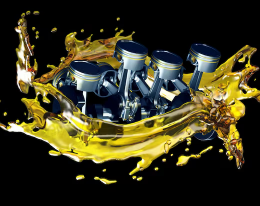

Modern machinery demands lubrication systems that exceed the capabilities of base oils alone. Lubricant additives are specialized chemical compounds engineered to enhance base oil performance, protect equipment under extreme conditions, and extend operational lifetimes. Accounting for up to 30% of formulated lubricants, these additives transform ordinary oils into high-performance fluids capable of meeting today’s mechanical and environmental challenges.
What Are Lubricant Additives?
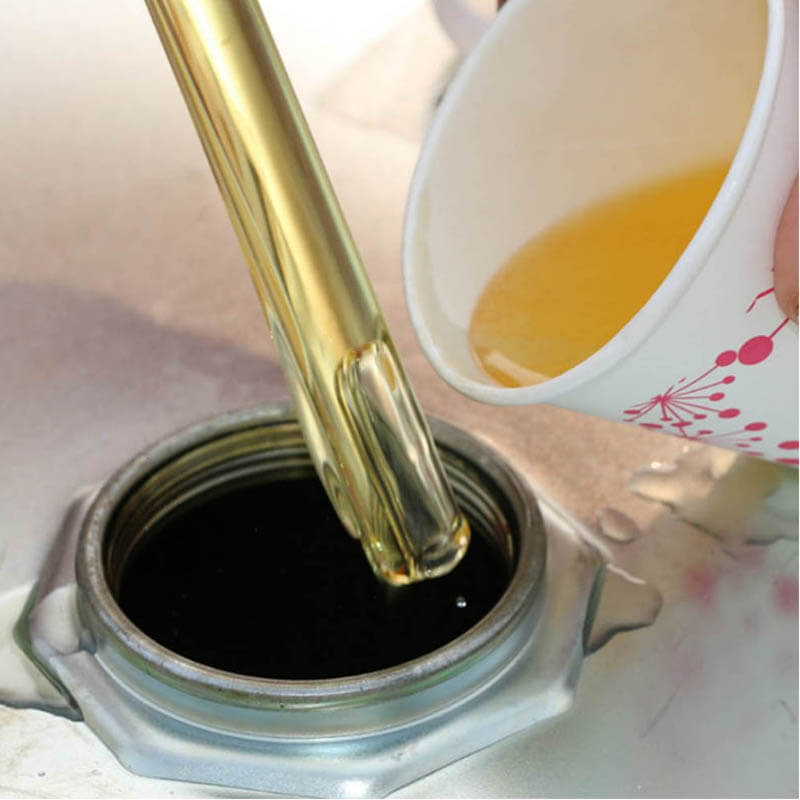
Lubricant additives are substances added in small concentrations (typically 0.1%-30%) to base oils to impart new properties or enhance existing characteristics. These compounds address critical performance gaps in base oils through chemical and physical mechanisms. Core functions include preventing oxidation, reducing friction, neutralizing acids, inhibiting corrosion, improving viscosity stability, and suspending contaminants. Without additives, engines and industrial machinery would suffer rapid wear, sludge accumulation, and premature failure. The global market for these essential components reflects their indispensable role in modern industry.
Lubricant Additives Market: Growth Drivers & Projections
The global lubricant additives market is projected to grow at a 5% CAGR from 2025 to 2032, fueled by tightening emission regulations, demand for high-performance vehicles, and industrial expansion in emerging economies. Three key trends are reshaping the industry landscape:
- Electrification & Hybridization: Hybrid/electric vehicles require specialized additives compatible with electric motors and sensitive electronics, driving innovations in materials compatibility and electrical properties.
- Extended Drain Intervals: Demands for longer oil change intervals push development of advanced antioxidant and detergent chemistries.
- Low-Viscosity Oils: Market shift toward 0W-16 and 5W-20 grades necessitates additives that maintain protective films under thinner conditions.
Types of Lubricant Additives and Their Functions
Modern additive technology comprises seven functional categories, each addressing specific performance requirements:
| Additive Type | Primary Function | Common Compounds | Applications |
|---|---|---|---|
| Detergents & Dispersants | Neutralize acids, suspend contaminants, prevent deposits | Sulfonates, Phenates, PIBSA | Engine oils (RD154B boronated dispersant) |
| Antioxidants | Inhibit oil oxidation, reduce sludge formation | ZDDP, Amines, Phenolics (RD598) | Turbine oils, engine oils |
| Anti-wear/Extreme Pressure | Form protective films under boundary lubrication | ZDDP (RD202, RD203B), Sulfurized olefins | Hydraulic systems, gear oils (RD320A) |
| Viscosity Modifiers | Maintain optimal viscosity across temperatures | OCP, PMA (RD613, RD602HB) | Multi-grade engine oils |
| Friction Modifiers | Reduce friction coefficients | Organic fatty acids, Molybdenum compounds | Fuel-efficient engine oils |
| Corrosion Inhibitors | Protect metal surfaces from acid/water attack | Benzotriazoles, Carboxylic acids | Marine engines, industrial systems |
| Pour Point Depressants | Improve low-temperature fluidity | PMA, Alkylated naphthalenes (RD819) | Cold-climate operations |
Hybrid Lubrication Challenges & Solutions
The rise of hybrid vehicles creates unprecedented lubrication challenges where traditional additives prove inadequate. Hybrid powertrains combine high-temperature combustion engines with sensitive electric motor components, creating unique stress environments:
- Electrical Compatibility: Additives must maintain dielectric properties to prevent current leakage and protect electronics.
- Material Compatibility: Novel sealing materials and copper motor windings require non-corrosive formulations.
- Thermal Management: Simultaneous cooling of batteries and high-speed bearings demands thermal stability beyond conventional limits.
Innovations like Lubrizol’s AT9311 exemplify next-generation solutions engineered specifically for hybrid applications. This universal ATF additive provides balanced friction control for clutch systems while ensuring electrical safety and material compatibility – critical requirements absent in conventional additives.
Major Lubricant Additive Manufacturers & Market Structure
The global additive industry is characterized by high technical barriers and consolidated leadership. Four companies control approximately 90% of the worldwide market:
- Lubrizol (33% market share): Global leader in additive chemistry with comprehensive product lines.
- Infineum: ExxonMobil-Shell joint venture excelling in driveline additives .
- Chevron Oronite: Strong in engine oil and marine additive packages.
- Afton Chemical: Specializes in driveline and industrial additives .
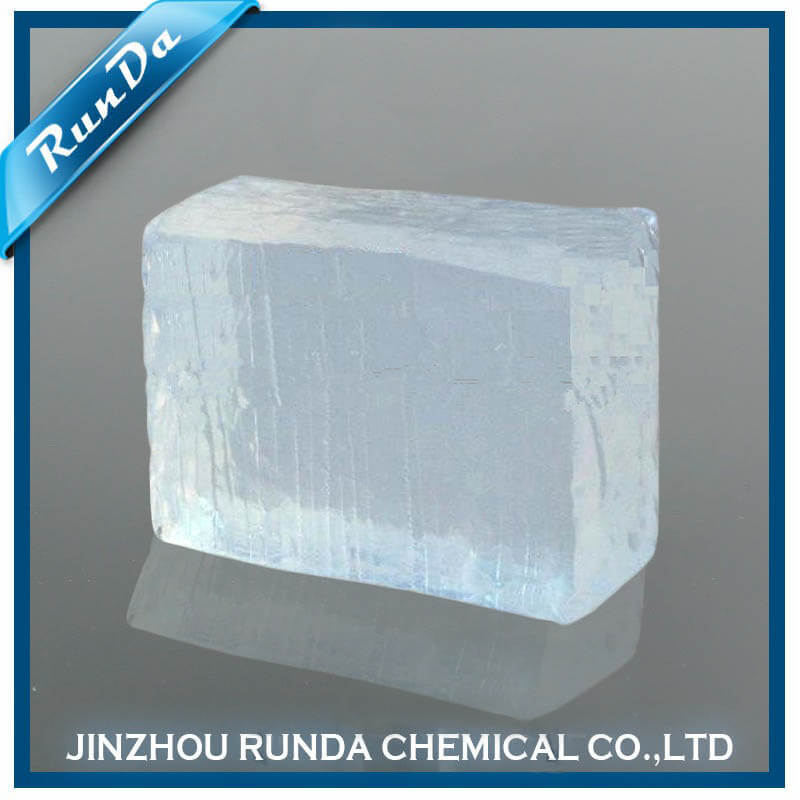
Beyond these giants, regional players like Jinzhou Runda Chemical (China) serve specialized markets with competitive offerings. Runda operates production facilities in Jinzhou , manufacturing TBN detergents, ashless dispersants, ZDDP, and EP agents for domestic and international markets.
Lubricant Additives Chemistry & Applications
Additive functionality stems from sophisticated molecular design:
- ZDDP Anti-Wear Mechanism: Decomposes at 90-160°C to form polyphosphate glass films on metal surfaces, preventing direct contact.
- Overbased Detergents: Contain colloidal carbonate particles (TBN 250-400) that neutralize sulfuric acid from combustion.
- PIBSI Dispersants: Polyisobutylene succinimide molecules surround soot particles, preventing agglomeration.
- Boronated Additives: Form low-shear films on metal surfaces while improving oxidation stability.
Lubricant Additives Examples: RUNDA’s Product Portfolio
As a specialized manufacturer, RUNDA develops additive solutions addressing diverse industrial needs:
- RD3190 Engine Oil Additive: SN/CF grade composite for passenger vehicles (12.6% treat rate) with enhanced deposit control.
- RD3161L: CI-4/SL heavy-duty diesel additive package (12.0% treat rate) with extended drain capabilities :cite[1].
- RD3304: Compact formulation for SL/CF-4 engines requiring only 6.8% treat rate.
- RD320A Gear Oil Additive: Meets GL-5/GL-4 specifications with robust EP protection.
- RD202/RD203B: Zinc-based antiwear agents tailored for hydraulic and industrial applications.
About Jinzhou Runda Chemical Co., Ltd.
Established in 1996 with dual production bases in Jinzhou , RUNDA specializes in high-performance lubricant additives including sulfurized alkylphenates, ashless dispersants, TBN detergents, ZDDP, and EP agents. Our RUNDA® brand products serve global customers across automotive, marine, industrial, and railway sectors. Through continuous innovation and strict quality control, we deliver solutions that meet evolving industry demands while maintaining cost efficiency.
Address: Taihe District, Jinzhou, China
Tel: 86-416-3408527,86-13322188527
Web: https://lubricatin.com/ www.runda.biz
The future of lubricant additives lies in multifunctional molecules, bio-based chemistries, and systems engineered for electrified powertrains. As hybrid and electric vehicles reshape the transportation landscape, additive manufacturers must innovate beyond traditional combustion-engine paradigms. Companies investing in material science, electrical safety testing, and sustainable formulations will lead the next evolution of lubrication technology.