Engine Oil Lubricant Technology: Comprehensive Guide to Modern Lubrication
Understanding engine oil lubricant formulations and the critical role of advanced motor oil additives in modern lube lubrication systems. This comprehensive guide explores complete lubricant products solutions from leading lubricant engine oil manufacturer experts.
Industry Insight: Advanced engine oil lubricant with proper motor oil additives can extend engine life by 30-50% and improve fuel efficiency by 2-5%
Understanding Engine Oil Lubricant Technology
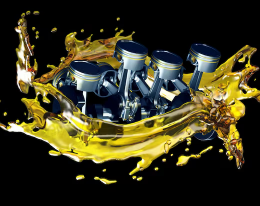
Engine oil lubricant represents a sophisticated blend of base oils and advanced motor oil additives designed to protect engines, optimize performance, and extend service life. These essential lubricant products perform multiple critical functions in modern lube lubrication systems, from reducing friction and wear to managing heat and contaminants.
Key Performance Benefits
Advanced engine oil lubricant formulations deliver comprehensive engine protection and performance optimization:
- Wear Protection: Reduce engine component wear by 60-80% through effective lube lubrication
- Thermal Management: Dissipate heat effectively to prevent overheating and thermal breakdown
- Contaminant Control: Suspend and neutralize harmful particles, acids, and combustion byproducts
- Fuel Efficiency: Improve fuel economy by 2-5% through optimized friction reduction
Modern automotive and industrial applications require sophisticated engine oil lubricant formulations tailored to specific operating conditions. Leading lubricant engine oil manufacturer companies develop comprehensive lubricant products lines incorporating advanced motor oil additives that address the unique challenges of different engine designs, fuels, and operating environments.
Key Functions of Engine Oil Lubricants
Understanding how engine oil lubricant works is essential for proper selection and application in various engine systems.
Friction Reduction and Wear Protection
The primary function of engine oil lubricant is to reduce friction between moving engine components through effective lube lubrication. This creates protective oil films that separate metal surfaces, minimizing wear and preventing direct metal-to-metal contact even under extreme pressure conditions.
Heat Transfer and Thermal Management
Engine oil lubricant serves as a critical heat transfer medium, carrying heat away from high-temperature areas like piston rings and cylinder walls to the oil sump where it can be dissipated. This thermal management function prevents localized overheating and protects engine components from thermal stress and degradation.
Contaminant Suspension and Neutralization
Effective engine oil lubricant formulations contain specialized motor oil additives that suspend solid contaminants (dirt, wear particles, soot) and neutralize acidic combustion byproducts. This keeps engines clean and protects against corrosive wear throughout the oil change interval.
Advanced Engine Oil Additive Technologies
Modern engine oil lubricant formulations incorporate sophisticated additive technologies for superior performance:
Comprehensive Additive Systems
Complete engine oil lubricant formulations integrate multiple motor oil additives working synergistically:
- Viscosity Modifiers: Maintain optimal oil thickness across temperature ranges for consistent lube lubrication
- Detergents and Dispersants: Keep engines clean by preventing deposits and suspending contaminants
- Anti-Wear Agents: Form protective films on critical components to prevent metal-to-metal contact
- Antioxidants: Prevent oil oxidation and degradation at high operating temperatures
- Friction Modifiers: Reduce friction for improved fuel efficiency without compromising protection
- Corrosion Inhibitors: Protect metal surfaces from rust and corrosive attack
Specialized Formulations for Different Applications
Leading lubricant engine oil manufacturer companies develop specialized lubricant products for specific applications: Passenger car motor oils for gasoline and diesel engines; Heavy-duty diesel oils for commercial vehicles and equipment; Synthetic and semi-synthetic formulations for extreme conditions; Racing oils for high-performance applications; and Industrial engine oils for stationary power generation and marine use. Each requires carefully balanced motor oil additives packages tailored to specific operating requirements.
Engine Oil Lubricant Performance Comparison
Selecting the right engine oil lubricant requires understanding performance characteristics across different formulations:
| Performance Metric | Conventional Mineral Oil | Synthetic Blend | RundaChem Advanced Synthetic |
|---|---|---|---|
| Wear Protection (4-Ball Test) | 0.50-0.60 mm | 0.40-0.50 mm | 0.30-0.40 mm |
| Oxidation Stability (Hours) | 200-300 | 300-500 | 500-800+ |
| Low-Temperature Pumpability | Good to -20°C | Good to -30°C | Excellent to -40°C |
| Fuel Economy Improvement | 1-2% | 2-3% | 3-5% |
| Drain Interval Potential | Standard | Extended | Maximum |
Note: Performance of engine oil lubricant formulations depends on both base oil quality and motor oil additives package effectiveness. Leading lubricant engine oil manufacturer companies optimize both elements for superior lubricant products.
Comprehensive Lubricant Solutions
Complete engine oil lubricant systems provide balanced protection and performance across applications:
RundaChem Lubricant Technology Series
Our comprehensive engine oil lubricant solutions represent optimal technology for engine protection and performance. As a leading lubricant engine oil manufacturer, our RundaChem Lubricant series addresses the complete spectrum of engine protection challenges through advanced formulation technology.
Key Advantages of RundaChem Lubricant Solutions
- Complete range of lubricant products for all engine types and applications
- Advanced motor oil additives systems optimized for maximum protection and performance
- Superior lube lubrication properties across temperature extremes and operating conditions
- Extended drain capabilities through enhanced oxidation stability and contaminant control
- Compatibility with modern emission control systems and engine technologies
- Comprehensive testing to meet and exceed API, ACEA, OEM, and industry specifications
Recommended Engine Oil Lubricant Products
As a leading lubricant engine oil manufacturer, we offer comprehensive lubricant products for diverse applications:
SN/SM Engine Oil Additives Package
CI-4/CH-4/CF-4/CD/SF/SG/SJ/SL Engine Additive
CF-4/CF/CD/CC/SG/SJ/SF/SD/SB Engine Oil Additives
FB/FC/FD Two-Stroke Motor Oil Additive
CNG/LNG/CF Low Ash Natural Gas Engine Oil Additive
Four-Stroke Motorcycle Oil Additive
SP Additives In Engine Oil Engine
CK-4 Diesel Lubricity Additive
Two-stroke engine oil package
Application Guidelines
Proper selection and application of engine oil lubricant requires understanding specific engine requirements:
- For Modern Gasoline Engines: Select engine oil lubricant meeting current API SP and OEM specifications
- For Diesel Applications: Choose oils with appropriate API CK-4 or FA-4 ratings and sufficient soot control
- For High-Performance Engines: Use specialized formulations with enhanced film strength and thermal stability
- For Extended Drain Intervals: Select synthetic oils with robust motor oil additives packages
- For Extreme Temperatures: Use synthetic engine oil lubricant with excellent high and low-temperature performance
- For Specific OEM Requirements: Always follow manufacturer recommendations for viscosity grade and performance specifications
The Role of Motor Oil Additives in Modern Lube Lubrication
Motor oil additives represent the performance-enhancing components that transform base oils into complete engine oil lubricant formulations. These specialized chemicals provide essential functions that base oils alone cannot: Detergents and dispersants keep engines clean; Anti-wear agents protect critical components; Antioxidants prevent oil degradation; Viscosity modifiers maintain optimal flow across temperatures; Friction modifiers improve fuel efficiency; and Corrosion inhibitors protect against rust. The specific combination and concentration of motor oil additives determine the performance characteristics of the final engine oil lubricant. Leading lubricant engine oil manufacturer companies invest significantly in motor oil additives technology to develop superior lubricant products that meet evolving engine requirements and performance demands.
Customer Success Stories
“Our commercial trucking fleet was experiencing excessive engine wear and increased maintenance costs with conventional oils. After switching to Runda Chemical’s advanced synthetic engine oil lubricant, we extended oil change intervals by 50% and reduced engine-related maintenance by approximately 40%. The superior lube lubrication and protection have significantly improved our operational efficiency.”
Michael Thompson, Fleet Operations Director
National Transportation Company
“As a manufacturer of industrial power generation equipment, we require lubricants that perform reliably under continuous operation. Runda Chemical’s engine oil lubricant formulations have provided exceptional protection for our diesel generators, with oil analysis showing excellent condition even after extended service. Their technical support as a lubricant engine oil manufacturer has been invaluable for our specific application requirements.”
Sarah Johnson, Chief Engineer
Power Generation Systems Manufacturer
Frequently Asked Questions
Engine oil lubricant is a specialized formulation designed specifically for internal combustion engines, distinguishing it from other lubricant products in several key ways: Engine oils contain sophisticated motor oil additives packages that address combustion-specific challenges like acid neutralization, soot control, and deposit prevention from fuel combustion byproducts; They are formulated to withstand extreme temperature variations from cold starts to high operating temperatures; They provide cleaning functions through detergents and dispersants that keep engines free of harmful deposits; They offer specific viscosity characteristics optimized for hydrodynamic lubrication in engine bearings and boundary lubrication in areas like camshafts and lifters; and They are tested and certified against specific performance standards (API, ACEA, OEM) that address engine-specific requirements. While all lubricant products provide lube lubrication, engine oil lubricant formulations are uniquely engineered for the demanding environment inside internal combustion engines.
The most important motor oil additives in modern engine oil lubricant include: Detergents (typically metallic sulfonates or phenates) that keep engine surfaces clean by preventing deposit formation; Dispersants (usually polymeric compounds) that suspend solid contaminants in the oil to prevent sludge and varnish; Anti-wear agents (commonly ZDDP – zinc dialkyldithiophosphate) that form protective films on metal surfaces to prevent wear under boundary lubrication conditions; Antioxidants (phenolic or aminic compounds) that prevent oil oxidation and degradation at high temperatures; Viscosity index improvers (polymers like OCP or PMA) that maintain optimal oil viscosity across temperature ranges; Friction modifiers (organic compounds or organomolybdenum) that reduce friction for improved fuel efficiency; Corrosion inhibitors that protect metal surfaces from rust and corrosive attack; and Anti-foam agents that prevent foam formation that could interfere with lube lubrication. Leading lubricant engine oil manufacturer companies carefully balance these motor oil additives to create engine oil lubricant formulations that provide comprehensive protection while meeting specific performance requirements and industry specifications.
Engine additives differ from complete engine oil lubricant formulations in several important ways: Engine additives are typically concentrated products designed to be added to existing motor oil to enhance specific properties or address particular issues (like reducing oil consumption, quieting lifters, or improving fuel economy). In contrast, complete engine oil lubricant formulations are finished products ready for use that contain precisely balanced combinations of base oils and motor oil additives in optimal proportions. Engine additives usually focus on one or a few specific functions, while complete engine oil lubricant provides comprehensive protection across all necessary functions. Engine additives are supplemental, while engine oil lubricant is primary. High-quality engine oil lubricant from reputable lubricant engine oil manufacturer companies typically provides complete protection without requiring additional engine additives, though in some specific circumstances (like very high-mileage engines with particular issues) targeted engine additives may provide additional benefits when used appropriately with quality engine oil lubricant.
When selecting a lubricant engine oil manufacturer, several key factors should be considered: Technical expertise and research capabilities to develop advanced formulations; Quality control systems ensuring consistent product quality; Comprehensive testing to verify performance against industry standards and specifications; Range of lubricant products covering diverse applications and requirements; Technical support and application guidance for proper product selection and use; Environmental responsibility in manufacturing and product development; Industry recognition and approvals from relevant organizations and OEMs; Proven performance in real-world applications through customer testimonials and case studies; Innovation in developing new technologies to address evolving engine requirements; and Supply chain reliability ensuring consistent product availability. A reputable lubricant engine oil manufacturer will demonstrate commitment to all these areas, providing confidence that their engine oil lubricant products will deliver the protection and performance required for modern engines and equipment.
About Runda Chemical
Partner with Engine Oil Lubricant Experts
 Email:jzsrunda@163.com