Understanding Detergent Additives in Lubricating Oils
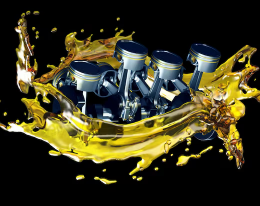
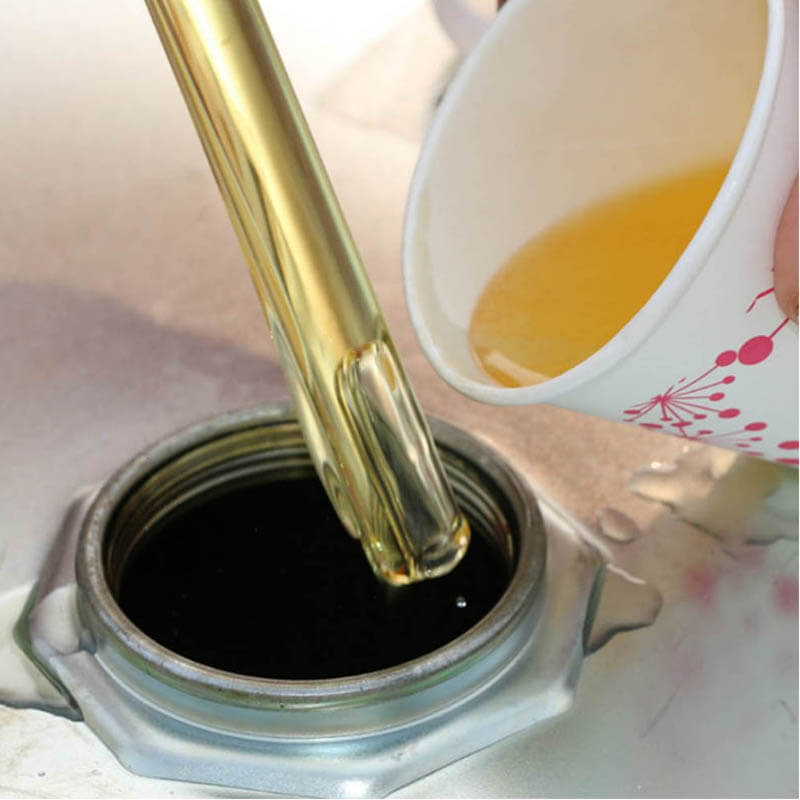
Detergent additives in lubricating oils are specialized chemical compounds designed to keep engines clean by preventing the formation of harmful deposits, neutralizing acidic combustion byproducts, and suspending contaminants in the oil. These essential additives are based on surfactant chemistry, with linear alkylbenzene sulfonate in detergent formulations representing some of the most important and widely used detergent technologies in modern lubricants.
Key Performance Benefits
Advanced detergent additives in lubricating oils deliver significant improvements in engine cleanliness and protection:
- Deposit Prevention: Reduce sludge, varnish, and carbon deposits by 70-90%
- Acid Neutralization: Control corrosive acids formed during combustion and oil degradation
- Contaminant Suspension: Keep particles suspended in oil to prevent harmful buildup
- Extended Oil Life: Increase useful oil life by 30-50% through improved cleanliness
Modern lubricant formulations rely on sophisticated detergent additives in lubricating oils across various applications including automotive engines, industrial machinery, marine systems, and aviation. Key technologies include linear alkylbenzene sulfonate detergents derived from linear alkyl benzene precursors and advanced calcium sulfonate oil additive formulations providing multifunctional benefits.
Key Functions of Detergent Additives
Understanding how detergent additives in lubricating oils work is essential for proper formulation and effective engine protection.
Deposit Prevention and Removal
The primary function of detergent additives in lubricating oils is to prevent the formation of harmful deposits on engine surfaces. These additives work by surrounding potential deposit-forming particles with protective layers that prevent them from adhering to metal surfaces, agglomerating, or forming larger deposits. When used in linear alkylbenzene sulfonate in detergent formulations, these additives provide excellent surface-active properties that maintain engine cleanliness.
Acid Neutralization
Detergent additives in lubricating oils contain basic components that neutralize acidic compounds formed during fuel combustion and oil oxidation. This is particularly important for calcium sulfonate oil additive formulations which provide significant acid-neutralizing capacity (Total Base Number or TBN) that helps control corrosive wear and maintain proper oil chemistry throughout the service interval.
Contaminant Suspension and Dispersion
Effective detergent additives in lubricating oils keep solid contaminants, oxidation products, and other insoluble materials suspended in the oil rather than allowing them to settle on engine surfaces. This allows contaminants to be removed by the oil filter and drained during oil changes, preventing harmful buildup in critical areas like oil passages, ring grooves, and valve trains.
Advanced Detergent Additive Technologies
Modern detergent additives in lubricating oils incorporate sophisticated chemical technologies for superior performance:
Linear Alkylbenzene Sulfonate Detergents
The family of linear alkylbenzene sulfonate detergents represents one of the most important classes of detergent additives in lubricating oils:
- Linear Alkyl Benzene (LAB): The hydrocarbon precursor with straight-chain alkyl groups providing optimal biodegradability and performance
- Linear Alkylbenzene Sulfonic Acid: Intermediate product formed by sulfonation of LAB, the active detergent component
- Linear Alkylbenzene Sulfonate: The neutralized salt form (calcium, magnesium, sodium) used in lubricant formulations
- Overbased Sulfonates: Advanced calcium sulfonate oil additive formulations with excess basicity for enhanced acid-neutralizing capacity
- Mixed Metallurgy Detergents: Combinations of calcium, magnesium, and other metal sulfonates for balanced performance
Detergent Chemistry and Performance Characteristics
The specific properties of detergent additives in lubricating oils depend on their chemical structure: The length and branching of the alkyl chain in linear alkyl benzene precursors affects solubility and surface activity; The metal cation (calcium, magnesium, sodium) in linear alkylbenzene sulfonate determines base reserve and compatibility; The degree of overbasing in calcium sulfonate oil additive formulations controls acid-neutralizing capacity; and Molecular weight distribution affects thermal stability and performance across temperature ranges. Understanding these relationships is key to formulating effective detergent additives in lubricating oils for specific applications.
Detergent Additive Performance Comparison
Selecting the right detergent additives in lubricating oils requires understanding performance characteristics across different technologies:
| Performance Metric | Neutral Sulfonates | Overbased Sulfonates | RundaChem Advanced Detergents |
|---|---|---|---|
| Detergency (Panel Coker Test) | Good | Very Good | Excellent |
| Total Base Number (TBN) | 10-50 | 250-400 | 300-450 (optimized) |
| Dispersion Properties | Good | Very Good | Excellent |
| Thermal Stability | Good | Very Good | Excellent |
| Compatibility | Excellent | Good | Very Good (optimized) |
Note: Linear alkylbenzene sulfonate uses vary based on the specific formulation and metal cation. Calcium sulfonate oil additive formulations typically provide higher TBN than magnesium or sodium sulfonates, making them particularly valuable in applications requiring significant acid-neutralizing capacity.
Comprehensive Detergent Additive Solutions
Properly formulated detergent additives in lubricating oils systems provide balanced cleanliness and protection:
RundaChem Detergent Additive Series
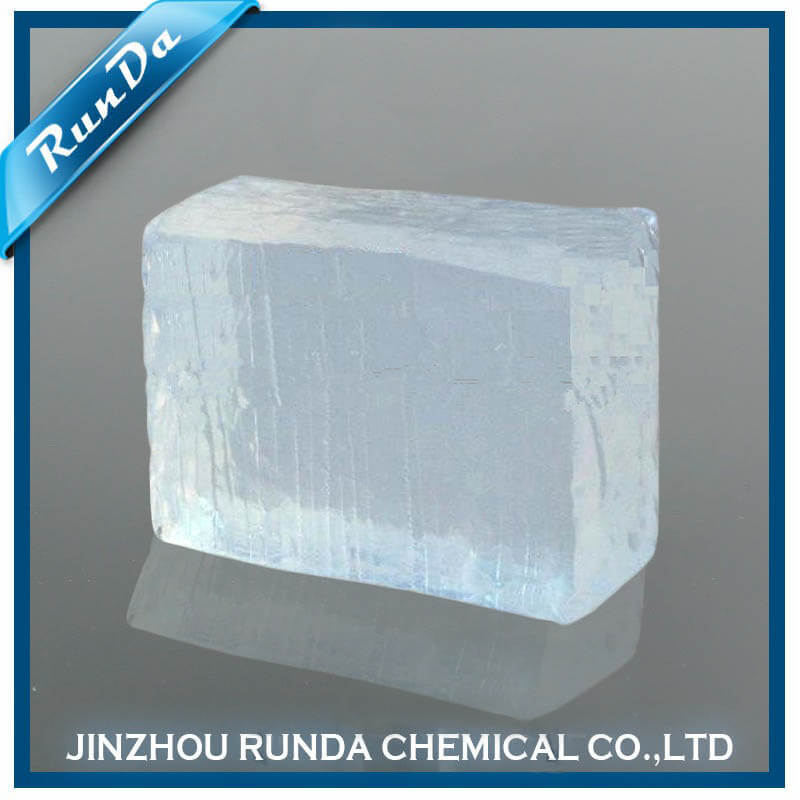
Our comprehensive detergent additives in lubricating oils solutions represent optimal technology for engine cleanliness and protection. The RundaChem Detergent series addresses the complete spectrum of cleanliness challenges through advanced surfactant and detergent technology.
Key Advantages of RundaChem Detergent Solutions
- Advanced linear alkylbenzene sulfonate in detergent formulations with optimized alkyl chain lengths
- High-performance calcium sulfonate oil additive with superior acid-neutralizing capacity
- Balanced formulations providing both detergency and dispensancy for comprehensive cleanliness
- Specialized linear alkylbenzene sulfonate uses tailored for specific applications and base oils
- Excellent compatibility with other additive components including anti-wear agents, antioxidants, and viscosity modifiers
- Comprehensive testing to verify performance in standardized deposit tests and actual engine applications
Recommended Detergent Additive Products
As specialists in detergent additives in lubricating oils technology, we offer solutions for diverse engine cleanliness challenges:
TBN400 Synthetic Calcium Sulfonate
TBN≥245 Sulfurized Calcium Alkylphenat
TBN≥265 Calcium Alkyl Salicylate
TBN15-30 Synthetic Calcium Sulfonate
TBN20-30 Calcium Sulfonate
TBN145-165 Calcium Sulfonate
TBN300 Calcium Sulfonate
TBN400 Calcium For Grease Sulfonate
TBN400 Magnesium Sulfonate
TBN≥145 Sulfurized Calcium Alkylphenate
TBN≥295 Sulfurized Calcium Alkylphenate
TBN≥160 Calcium Alkyl Salicylate
TBN≥295 Calcium Alkyl Salicylate
Application Guidelines
Proper application of detergent additives in lubricating oils requires understanding specific engine and operational requirements:
- For High-Sulfur Fuel Applications: Use high-TBN calcium sulfonate oil additive formulations to neutralize increased acid formation
- For Gasoline Engine Oils: Employ balanced detergent additives in lubricating oils with appropriate linear alkylbenzene sulfonate in detergent concentrations
- For Extended Drain Intervals: Select formulations with sufficient base reserve to maintain protection throughout extended service
- For Low-Temperature Operation: Choose linear alkylbenzene sulfonate with appropriate cold-flow properties
- For Synthetic Base Stocks: Ensure detergent solubility and compatibility with synthetic fluids
- For Specific Deposit Challenges: Tailor linear alkylbenzene sulfonate uses based on predominant deposit types (sludge vs. varnish vs. carbon)
Linear Alkylbenzene Sulfonate Uses in Modern Lubricants
Linear alkylbenzene sulfonate uses in modern lubricants include: Engine oil detergents for gasoline and diesel applications; Marine cylinder oil detergents for crosshead engines; Industrial lubricant detergents for compressors and hydraulic systems; Metalworking fluid additives for emulsion stability; Grease thickeners and performance enhancers; and Rust preventative formulations. The specific linear alkylbenzene sulfonate uses depend on factors including: The metal cation (calcium, magnesium, sodium); The degree of overbasing (neutral vs. overbased); The alkyl chain length from the linear alkyl benzene precursor; and The specific formulation with other additive components. Understanding these linear alkylbenzene sulfonate uses helps formulators select the optimal detergent technology for each application within the broader category of detergent additives in lubricating oils.
Customer Success Stories
“Our heavy-duty diesel fleet was experiencing excessive piston deposits and ring sticking with our previous lubricant formulation. After switching to Runda Chemical’s advanced detergent additives in lubricating oils based on optimized linear alkylbenzene sulfonate technology, deposit issues decreased by approximately 80% and oil consumption stabilized. The high-TBN calcium sulfonate oil additive component has been particularly effective with today’s diesel fuels.”
Robert Chen, Technical Director
Commercial Fleet Operations
“As a lubricant formulator, finding the right balance of detergency without excessive treat rates was challenging. Runda Chemical’s technical team helped us optimize our linear alkylbenzene sulfonate uses and select the ideal calcium sulfonate oil additive for our premium engine oil line. The result was superior cleanliness performance while maintaining excellent compatibility with our other additive components.”
Sarah Williams, R&D Manager
Lubricant Manufacturing Company
Frequently Asked Questions
Detergent additives in lubricating oils are specialized chemical compounds designed to keep engines and machinery clean by preventing harmful deposits from forming on surfaces. They work through several complementary mechanisms: Surface-active properties allow them to surround potential deposit-forming particles and prevent them from adhering to metal surfaces; Alkaline components neutralize acidic compounds formed during combustion and oil degradation; Dispersant action keeps solid contaminants suspended in the oil rather than allowing them to settle and form deposits; and Solvency helps dissolve existing deposits and prevent their reformation. Common detergent additives in lubricating oils include various sulfonates, phenates, and salicylates, with linear alkylbenzene sulfonate derivatives being particularly important. These additives are typically metal salts of organic acids, with calcium sulfonate oil additive formulations being especially valued for their high base reserve and excellent detergency properties.
Linear alkyl benzene (LAB) is the hydrocarbon precursor to linear alkylbenzene sulfonate (LAS) detergents used in detergent additives in lubricating oils. The relationship follows this chemical pathway: First, linear alkyl benzene is produced by alkylation of benzene with linear olefins, creating a hydrocarbon with a benzene ring attached to a straight-chain alkyl group (typically C10-C14). This linear alkyl benzene is then sulfonated using sulfur trioxide or oleum to produce linear alkylbenzene sulfonic acid. Finally, the sulfonic acid is neutralized with a base (typically calcium hydroxide, magnesium oxide, or sodium hydroxide) to produce the corresponding linear alkylbenzene sulfonate salt. This salt is the active detergent component used in linear alkylbenzene sulfonate in detergent formulations. The straight-chain alkyl group in linear alkyl benzene provides superior biodegradability and performance compared to branched alkylbenzenes, making LAB-based sulfonates preferred for many linear alkylbenzene sulfonate uses in modern lubricants and cleaning products.
The main linear alkylbenzene sulfonate uses in lubricants include: Engine oil detergents for gasoline and diesel applications, where they prevent deposit formation and neutralize acids; Marine cylinder oils for crosshead diesel engines, where they control deposits from high-sulfur fuels; Industrial lubricants for compressors, hydraulic systems, and gears, where they maintain cleanliness; Metalworking fluids, where they provide emulsion stability and surface activity; Grease formulations, where they act as thickeners and performance enhancers; Rust preventatives, where they provide surface protection and corrosion inhibition; and Specialty lubricants requiring specific detergency or surface-active properties. Within these linear alkylbenzene sulfonate uses, specific formulations vary based on: The metal cation (calcium sulfonates are common in engine oils, sodium sulfonates in some industrial applications); The degree of overbasing (neutral vs. overbased sulfonates); The alkyl chain length from the linear alkyl benzene precursor; and The specific combination with other additive components. Calcium sulfonate oil additive formulations based on linear alkylbenzene sulfonates are particularly valued for their high Total Base Number (TBN) and excellent detergency in demanding applications.
Calcium sulfonate oil additive formulations offer several advantages in detergent additives in lubricating oils: High acid-neutralizing capacity due to significant overbasing potential, providing excellent control of corrosive acids formed during combustion; Good detergency properties that prevent deposit formation on engine surfaces; Rust and corrosion protection through formation of protective films on metal surfaces; Compatibility with a wide range of base oils and other additive components; Thermal stability that maintains performance at elevated operating temperatures; Multifunctionality that combines detergency, dispensancy, and rust prevention in a single additive; Cost-effectiveness compared to some alternative detergent chemistries; and Proven performance in demanding applications including diesel engines operating on high-sulfur fuels. Specifically, overbased calcium sulfonate oil additive formulations based on linear alkylbenzene sulfonic acid neutralized with calcium hydroxide provide an optimal balance of properties for many engine oil applications, making them one of the most widely used classes of detergent additives in lubricating oils.
About Runda Chemical
Partner with Detergent Additive Experts
 Email:jzsrunda@163.com