Oil Additive Engine Cleaner: Restoring Performance Through Effective Detergency
Understanding oil additive engine cleaner formulations and their critical role in removing deposits, restoring performance, and extending engine life. This comprehensive guide explores effective engine cleaning oil additives, flush treatments, and carbon removal technologies.
Industry Insight: Proper engine oil flush additive treatments can remove 70-90% of accumulated sludge and restore compression by 5-15% in carbon-fouled engines
Understanding Oil Additive Engine Cleaners
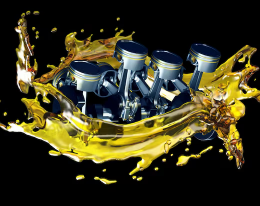
Oil additive engine cleaner refers to specialized chemical formulations designed to dissolve and remove harmful deposits from engine internal components. These engine cleaning oil additives work through various chemical mechanisms to eliminate sludge, varnish, carbon buildup, and other contaminants that reduce engine efficiency, increase wear, and compromise performance over time.
Key Performance Benefits
Advanced oil additive engine cleaner formulations deliver significant improvements in engine cleanliness and performance:
- Deposit Removal: Eliminate 70-90% of accumulated sludge, varnish, and carbon deposits
- Restored Performance: Improve compression, power output, and fuel efficiency by 5-15%
- Reduced Emissions: Lower hydrocarbon and carbon monoxide emissions through cleaner combustion
- Extended Engine Life: Prevent oil starvation and overheating caused by blocked passages
Modern automotive applications require sophisticated engine cleaning oil additives across various engine types including gasoline, diesel, hybrid, and alternative fuel systems. Specialized formulations like additive to clean diesel engine products address the unique carbon and soot challenges of compression ignition engines, while gasoline formulations target different deposit chemistries.
Key Functions of Engine Cleaning Additives
Understanding how oil additive engine cleaner compounds work is essential for proper application and effective results.
Solvency and Deposit Dissolution
The primary function of engine oil flush additive and cleaner formulations is to dissolve accumulated deposits through chemical solvency. These additives contain specialized solvents and surfactants that penetrate and break down hydrocarbon-based deposits (sludge, varnish, carbon) into smaller particles that can be safely suspended in the oil and removed during oil changes.
Carbon Removal from Combustion Chambers
Engine carbon cleaner additive formulations specifically target hard carbon deposits that form on piston tops, valves, and combustion chambers. These additives work through both chemical dissolution and thermal mechanisms during combustion to break down carbon buildup that causes knocking, pre-ignition, and reduced compression.
Preventive Maintenance and Continuous Cleaning
Unlike aggressive engine oil flush additive treatments designed for one-time use, many engine cleaning oil additives provide ongoing preventive cleaning when added to motor oil. These formulations maintain cleanliness between oil changes by preventing deposit formation and gradually removing existing buildup through continuous action.
Advanced Engine Cleaning Technologies
Modern oil additive engine cleaner formulations incorporate sophisticated chemical technologies for effective and safe deposit removal:
Types of Engine Cleaning Additives
Different engine cleaning oil additives work through various chemical mechanisms and application methods:
- Solvent-Based Cleaners: Powerful hydrocarbon solvents that dissolve sludge and varnish deposits
- Detergent Additives: Continuous cleaning agents that prevent deposit formation and gradually remove buildup
- Chemical Reaction Cleaners: Formulations that chemically react with carbon deposits to break them down
- Thermal Decomposition Agents: Engine carbon cleaner additive that works during combustion to remove chamber deposits
- Diesel-Specific Formulations: Diesel additives to clean engine systems with specialized chemistry for soot and carbon removal
- Polymeric Dispersants: Keep removed particles suspended in oil to prevent redeposition and allow removal during oil change
Specialized Formulations for Different Applications
Additive to clean diesel engine formulations differ significantly from gasoline engine cleaners due to different deposit chemistries. Diesel engines produce more soot and different carbon structures that require specialized solvents and chemical approaches. Similarly, engine oil flush additive products designed for pre-oil-change use typically have higher solvent concentrations than continuous-use additives.
Engine Cleaner Performance Comparison
Selecting the best engine additive and cleaner or best engine flush additive requires understanding performance characteristics across different technologies:
| Performance Metric | Basic Detergent Additive | Aggressive Flush Treatment | RundaChem Advanced Cleaner |
|---|---|---|---|
| Sludge/Varnish Removal | 30-50% | 70-90% | 80-95% (controlled rate) |
| Carbon Deposit Removal | 20-30% | 40-60% | 50-70% |
| Safety Profile | Excellent | Moderate | Excellent (controlled cleaning) |
| Application Method | Continuous in oil | Pre-change flush only | Both continuous and flush options |
| Compatibility with Seals | Excellent | Variable | Excellent (seal-safe formulation) |
Note: The best engine additive and cleaner balances cleaning effectiveness with safety considerations. The best engine flush additive provides thorough cleaning without damaging seals or loosening excessive material that could clog oil passages.
Comprehensive Engine Cleaning Solutions
Properly formulated oil additive engine cleaner systems provide balanced cleaning effectiveness and safety:
RundaChem Engine Cleaning Series
Our comprehensive oil additive engine cleaner solutions represent optimal technology for deposit removal and engine cleanliness. The RundaChem Cleaning series addresses the complete spectrum of engine deposit challenges through advanced additive technology.
Key Advantages of RundaChem Cleaning Solutions
- Advanced engine carbon cleaner additive formulations for combustion chamber deposit removal
- Effective engine oil flush additive for pre-change deep cleaning applications
- Specialized additive to clean diesel engine systems with optimized soot and carbon removal
- Controlled cleaning action that removes deposits without excessive particle release that could clog filters
- Seal-safe formulations that clean without damaging gaskets, seals, or engine components
- Comprehensive testing to verify cleaning effectiveness and material compatibility
Recommended Engine Cleaning Products
As specialists in oil additive engine cleaner technology, we offer solutions for diverse engine cleaning challenges:
TBN400 Synthetic Calcium Sulfonate
TBN≥245 Sulfurized Calcium Alkylphenat
TBN≥265 Calcium Alkyl Salicylate
TBN15-30 Synthetic Calcium Sulfonate
TBN20-30 Calcium Sulfonate
TBN145-165 Calcium Sulfonate
TBN300 Calcium Sulfonate
TBN400 Calcium For Grease Sulfonate
TBN400 Magnesium Sulfonate
TBN≥145 Sulfurized Calcium Alkylphenate
TBN≥295 Sulfurized Calcium Alkylphenate
TBN≥160 Calcium Alkyl Salicylate
TBN≥295 Calcium Alkyl Salicylate
Application Guidelines
Proper application of oil additive engine cleaner requires understanding specific engine conditions and cleaning needs:
- For Heavily Sludged Engines: Use a controlled engine oil flush additive before oil change, followed by continuous cleaner in fresh oil
- For Preventive Maintenance: Use continuous engine cleaning oil additives with each oil change to prevent deposit formation
- For Diesel Engines: Select specialized diesel additives to clean engine systems with chemistry optimized for soot and carbon
- For Carbon-Fouled Engines: Apply engine carbon cleaner additive to fuel or oil depending on formulation and target deposits
- For High-Mileage Engines with Seals: Choose seal-safe formulations to avoid leaks from dried or compromised seals
- Prior to Oil Analysis or Engine Work: Use thorough cleaning to obtain accurate oil analysis or prepare engine for internal work
Safety Considerations for Engine Oil Flush Additive
When using aggressive engine oil flush additive treatments, several safety considerations apply: First, never use high-concentration flush additives in engines with known serious mechanical issues as dislodged material could cause immediate problems. Second, always follow the manufacturer’s instructions precisely regarding engine operation time and temperature during the flush process. Third, be prepared to change oil and filter immediately after flushing to remove suspended contaminants. Fourth, monitor oil pressure during and after flushing as significant deposit removal can temporarily affect oil flow. Fifth, understand that while the best engine flush additive products are designed to be safe, any aggressive cleaning of a heavily sludged engine carries some risk of dislodging material that could temporarily clog oil passages. For maximum safety, consider professional application for severely neglected engines.
Customer Success Stories
“Our fleet of delivery vans was experiencing oil pressure issues and excessive oil consumption due to sludge buildup. After using Runda Chemical’s engine oil flush additive followed by their continuous cleaner, oil pressure normalized in 12 of 15 vehicles and oil consumption decreased by an average of 60%. The best engine additive and cleaner we’ve used for fleet maintenance.”
Thomas Wilson, Fleet Maintenance Manager
Regional Distribution Company
“As a diesel repair specialist, I frequently encounter trucks with severe carbon buildup from extended idling and short trips. Runda Chemical’s additive to clean diesel engine systems has become my go-to solution. It effectively cleans EGR systems, intake manifolds, and combustion chambers without the need for expensive disassembly and manual cleaning in many cases.”
Michael Rodriguez, Diesel Technician
Heavy Truck Service Center
Frequently Asked Questions
Oil additive engine cleaner refers to specialized chemical formulations designed to remove harmful deposits from engine internal components. These engine cleaning oil additives work through several mechanisms: Solvent action dissolves hydrocarbon-based sludge and varnish deposits; Detergent properties keep particles suspended in oil to prevent redeposition; Chemical reaction with carbon deposits breaks down hard carbon on piston tops and valves; Thermal mechanisms for engine carbon cleaner additive formulations work during combustion to remove chamber deposits; and Dispersion of contaminants into small particles that can be safely filtered or removed during oil changes. Different types of oil additive engine cleaner products include continuous-use additives that provide ongoing preventive cleaning, aggressive engine oil flush additive treatments for one-time deep cleaning before oil changes, and specialized formulations like diesel additives to clean engine systems with chemistry optimized for diesel-specific deposits. The best engine additive and cleaner for a particular application depends on the type and severity of deposits, engine condition, and specific cleaning goals.
Engine oil flush additive and continuous engine cleaning oil additives serve different purposes with different application methods: Engine oil flush additive products are designed for aggressive, one-time use immediately before an oil change. They typically have higher concentrations of solvents and cleaners to rapidly dissolve accumulated deposits. They’re added to old oil, the engine is run for a short period (typically 5-30 minutes at idle or low RPM), then the oil and filter are changed immediately to remove the suspended contaminants. These are best for heavily sludged engines or periodic deep cleaning. Continuous engine cleaning oil additives are added to fresh oil and provide ongoing preventive cleaning throughout the oil change interval. They have lower concentrations of active ingredients but work continuously to prevent deposit formation and gradually remove existing buildup. They’re safer for regular use but work more slowly. The best engine flush additive provides thorough cleaning when needed, while the best engine additive and cleaner for continuous use maintains cleanliness between flushes. Many maintenance programs use both: periodic flushing with continuous cleaning between flushes.
Yes, diesel additives to clean engine systems are typically different from gasoline engine cleaners in several important ways: Deposit chemistry differs—diesel engines produce more soot (carbon particles) and different types of carbon deposits than gasoline engines; Diesel-specific issues include EGR system fouling, turbocharger carbon buildup, and injector deposits that require specialized cleaning approaches; Diesel oil formulations themselves are different, requiring additive to clean diesel engine systems that are compatible with diesel-specific additive packages; Diesel combustion temperatures and conditions create different deposit structures that may require different solvent combinations; and Diesel emissions systems (DPFs, SCR systems) have specific requirements that may be affected by cleaning additives. For these reasons, using gasoline-oriented oil additive engine cleaner products in diesel engines may be less effective or, in some cases, potentially problematic. Always use specifically formulated diesel additives to clean engine systems for diesel applications, and gasoline-specific cleaners for gasoline engines, unless a product is specifically labeled as suitable for both engine types.
Engine carbon cleaner additive formulations can potentially reduce or eliminate knocking or pinging caused by carbon deposits in several ways: Carbon deposits in combustion chambers can create hot spots that cause pre-ignition (knocking); Removing these deposits with engine carbon cleaner additive eliminates the hot spots and reduces knocking; Carbon buildup on piston tops can effectively increase compression ratio; Cleaning this carbon can restore normal compression and reduce knocking tendencies; Carbon deposits can interfere with proper valve seating and operation; Cleaning these deposits can restore normal valve function and combustion characteristics; and In some cases, carbon particles themselves can become incandescent and ignite fuel prematurely; Removing these particles eliminates this ignition source. However, it’s important to note that not all engine knocking is caused by carbon deposits—mechanical issues, improper ignition timing, incorrect fuel octane, and other factors can also cause knocking. If engine carbon cleaner additive doesn’t resolve knocking issues, further mechanical diagnosis is needed. The best engine additive and cleaner for carbon-related knocking will specifically target combustion chamber deposits through fuel or oil additive delivery systems designed to reach these areas.
About Runda Chemical
Partner with Engine Cleaning Additive Experts
 Email:jzsrunda@163.com