Polyisobutylene (PIB): Complete Guide to Applications & Additive Technology
Polyisobutylen (more commonly known as polyisobutylene or PIB) represents one of the most versatile synthetic polymers with applications spanning lubricant additives, adhesives, sealants, and numerous industrial products. As a PIB additive in lubricants or as a polyisobutylene adhesive in industrial applications, this unique polymer offers exceptional properties including excellent moisture resistance, chemical inertness, and tunable viscosity characteristics. Understanding polyisobutylene PIB technology is essential for formulators across multiple industries.
Industry Performance Insight
PIB polyisobutylene serves as the foundational building block for numerous high-performance lubricant additives. When chemically modified into PIBSA (polyisobutylene succinic anhydride), it forms the basis for dispersants that keep engines 80-90% cleaner than untreated systems. As a PIB additive in various formulations, it provides tackiness, sealability, and controlled viscosity that enhance product performance across automotive, industrial, and specialty applications.
Understanding Polyisobutylene Chemistry
Chemical Structure and Synthesis
Polyisobutylene PIB is a synthetic polymer produced by cationic polymerization of isobutylene. The polymer consists of a saturated hydrocarbon backbone with pendant methyl groups, giving it unique chemical and physical properties. The molecular weight of PIB polyisobutene can be precisely controlled during manufacture, ranging from low molecular weight viscous liquids (Mn ~1,000) to high molecular weight rubbery solids (Mn >1,000,000), enabling diverse applications from PIB additive formulations to high-performance elastomers.
Key Chemical Properties
The unique structure of polyisobutylen imparts several advantageous properties: complete saturation (no double bonds) providing exceptional oxidative stability, low glass transition temperature enabling flexibility at low temperatures, excellent gas barrier properties, and inherent tackiness that makes it valuable as a polyisobutylene adhesive component. These properties explain why PIB polyisobutylene finds applications in demanding environments where other polymers might degrade or fail.
Key Properties and Advantages of PIB
Polyisobutylene PIB offers a unique combination of properties that make it valuable across diverse industrial applications.
Exceptional Impermeability
PIB polyisobutene exhibits excellent gas and moisture barrier properties due to its highly saturated, non-polar structure with closely packed methyl groups. This makes it ideal for sealing applications and as a component in protective coatings where preventing moisture or oxygen penetration is critical.
Chemical Inertness
The fully saturated hydrocarbon structure of polyisobutylen provides exceptional resistance to acids, bases, and polar chemicals. This chemical inertness makes PIB additive formulations stable in aggressive environments and compatible with a wide range of other chemicals in compounded products.
Controlled Tack and Adhesion
Polyisobutylene adhesive formulations leverage PIB’s inherent tackiness, which can be precisely controlled through molecular weight selection and compounding with other materials. This property is valuable in pressure-sensitive adhesives, sealants, and vibration damping materials.
Types and Grades of Polyisobutylene
Polyisobutylene PIB is produced in various grades with different molecular weights and properties tailored to specific applications.
| PIB Type | Molecular Weight Range | Physical Form | Primary Applications |
|---|---|---|---|
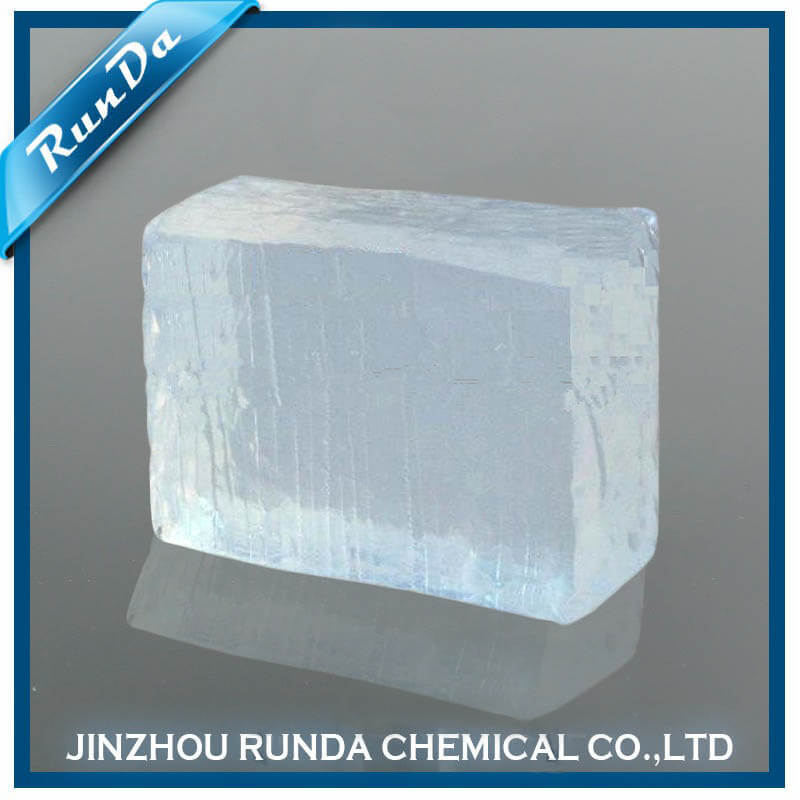
| Low Molecular Weight PIB | 300 – 2,500 g/mol | Colorless viscous liquid | PIB additive for lubricants, plasticizers, sealants |
| Medium Molecular Weight PIB | 2,500 – 10,000 g/mol | Highly viscous liquid/semi-solid | Adhesive formulations, caulks, vibration damping |
| High Molecular Weight PIB | 10,000 – 100,000 g/mol | Rubbery solid | Polymer modification, impact improvement, specialty elastomers |
| Ultra High Molecular Weight PIB | 100,000 – 2,000,000+ g/mol | Elastomeric solid | Butyl rubber, specialty membranes, high-performance seals |
PIB as a Lubricant Additive
Tackifier and Stringiness Agent
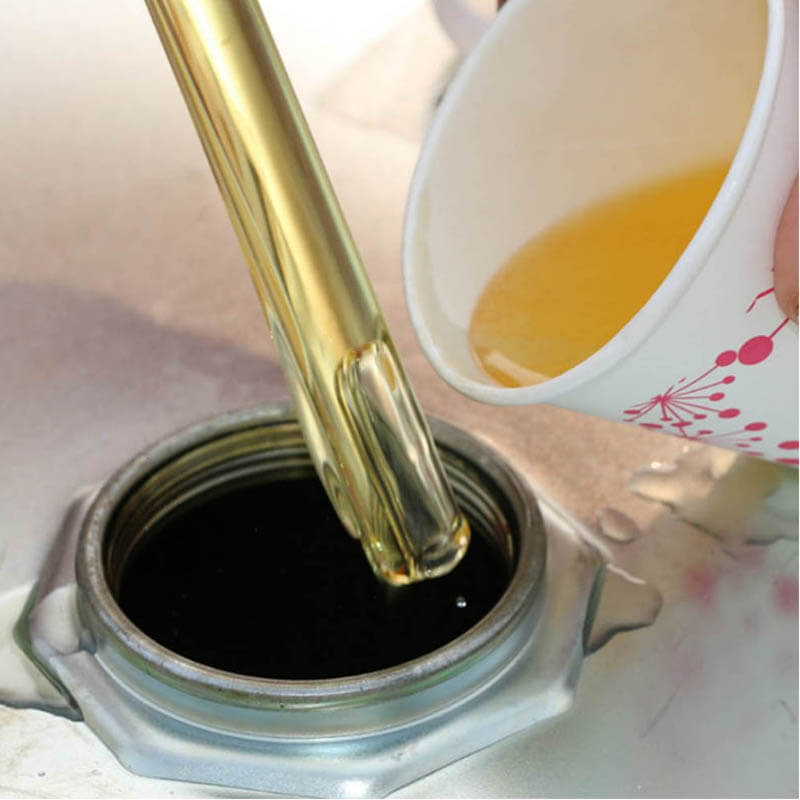
As a PIB additive in lubricating oils and greases, polyisobutylene provides controlled tackiness that helps oils adhere to metal surfaces, particularly on vertical or overhead surfaces. This “stringiness” or tackifying property prevents lubricant runoff and dripping, ensuring that critical components remain properly lubricated even under challenging operating conditions. The optimal molecular weight PIB polyisobutylene for tackifier applications typically ranges from 1,000 to 2,500 g/mol, providing the right balance of tackiness without excessive viscosity increase.
Base Material for Dispersant Manufacture
The most significant application of polyisobutylen in lubricants is as the starting material for PIBSA (polyisobutylene succinic anhydride) production, which is subsequently converted into dispersants. These PIB polyisobutene-based dispersants are essential components in virtually all modern engine oils, keeping soot, sludge, and oxidation products suspended in the oil rather than allowing them to deposit on engine surfaces. The molecular weight and structure of the polyisobutylene PIB starting material significantly influence dispersant performance.
Performance Advantages of PIB-Based Additives
PIB additive formulations offer several advantages in lubricants: excellent oxidative stability due to saturated structure, good compatibility with mineral and synthetic base oils, minimal impact on low-temperature properties, and the ability to provide multiple functions (tackiness, dispersancy precursor, viscosity modification). When used as a tackifier, properly formulated PIB polyisobutylene can reduce lubricant consumption by 15-30% by minimizing runoff and drip losses.
Polyisobutylene in Adhesive Applications
Pressure-Sensitive Adhesives
Polyisobutylene adhesive formulations are particularly valued in pressure-sensitive applications where controlled tack, good adhesion to various substrates, and excellent moisture resistance are required. PIB’s non-polar, saturated structure provides good adhesion to low-energy surfaces like polyethylene and polypropylene that can be challenging for more polar adhesives. In tape and label applications, polyisobutylene PIB provides the right balance of initial tack and long-term adhesion maintenance.
Sealants and Caulks
In sealant formulations, PIB polyisobutene contributes several beneficial properties: excellent moisture barrier characteristics, good flexibility over a wide temperature range, and resistance to ultraviolet light and ozone degradation. These properties make PIB-containing sealants durable in exterior applications and challenging environments. The rheological properties of polyisobutylen can be tailored through molecular weight selection to provide the desired application characteristics (gunability, sag resistance, tooling properties).
Industrial and Specialty Applications
Fuel and Lubricant Additives
Beyond its use as a lubricant tackifier, PIB additive technology finds applications in fuel treatments. High molecular weight PIB polyisobutylene can be used in diesel fuel to reduce black smoke emissions by modifying combustion characteristics. In lubricants, specially functionalized PIB derivatives serve as friction modifiers, corrosion inhibitors, and other performance additives through chemical modification of the polymer backbone.
Manufacturing and Quality Considerations
High-quality polyisobutylene PIB production requires precise control of polymerization conditions to achieve the desired molecular weight distribution, end-group functionality, and purity. Key quality parameters include molecular weight (Mn and Mw), polydispersity index (PDI), unsaturated end-group content (for reactive applications), color, and residual monomer content. For PIB additive applications in sensitive formulations like food-grade lubricants or pharmaceutical products, additional purity requirements may apply.
Polymer Modification and Compounding
Polyisobutylen is used as a modifier for other polymers to improve specific properties. When blended with polyolefins like polyethylene or polypropylene, PIB can improve impact resistance, flexibility, and adhesion properties. In rubber compounding, high molecular weight PIB polyisobutene or its copolymer with isoprene (butyl rubber) provides exceptional air retention properties essential for tire inner liners, pharmaceutical closures, and other air-impermeable applications.
Environmental and Regulatory Considerations
Environmental Profile
Polyisobutylene PIB generally has a favorable environmental profile due to its chemical inertness and low toxicity. However, as with all chemical products, responsible handling and disposal practices should be followed. The environmental fate of PIB additive formulations depends on the complete composition, not just the PIB component. For applications with specific environmental requirements, specially formulated polyisobutylen products with enhanced biodegradability profiles are available.
Regulatory Status and Compliance
PIB polyisobutylene is generally recognized as safe for many applications and has approvals for use in indirect food contact applications, pharmaceutical products, and cosmetics. However, specific regulatory status depends on molecular weight, purity, and intended application. When using PIB additive formulations in regulated products, it’s essential to verify that the specific PIB grade meets relevant regulatory requirements for the target market and application.
Recommended Products
PIB Additive Polyisobutylene PIB950
PIB Polyisobutylene Adhesive PIB1300
PIB Polyisobutylene PIB2400
Polymethacrylate Viscosity Index Improver
Hydrogenated Styrene Isoprene Polymer
High Viscosity Polymethacrylate VII
Polymethacrylate For Gear Oil
Polymethacrylate For Low Freezing Point Hydraulic Oil
Water-Soluble High Molecular Weight Polyether
Metallocene Polyalphaolefin PAO1000
Metallocene Polyalphaolefin PAO2000
EPR Ethylene Propylene Rubber J0010
Ethylene Propylene Copolymer J0050
About Runda Chemical
Expert Polyisobutylene Solutions from Runda Chemical
At Jinzhou Runda Chemical Co., Ltd., we specialize in polyisobutylene PIB technology and derivative products. Our technical expertise encompasses the full range of PIB applications, from PIB additive formulations for lubricants to specialized polyisobutylene adhesive components for industrial applications.
Whether you need low molecular weight PIB polyisobutene for tackifier applications, high-quality PIB for dispersant manufacturing, or technical support in formulating with polyisobutylene, our team can provide tailored solutions. Contact our technical team today to discuss your PIB requirements and application challenges.
 Email:jzsrunda@163.com