Anti-Wear Additives Technology
In the world of machinery and industrial equipment, metal-to-metal contact is one of the primary causes of component failure. This is where anti wear additives play a critical role. These specialized chemical compounds are essential components of modern lubricants, designed to protect equipment surfaces from damage during operation.
What Are Anti Wear Additives?
Anti-wear additives are chemical compounds added to lubricating oils and greases to reduce wear on metal surfaces during boundary lubrication conditions. Unlike viscosity modifiers that affect the fluid’s physical properties, anti wear oil additives work chemically to create protective barriers between moving parts.
Technical Insight: Anti-wear additives differ from extreme pressure (EP) additives in their mechanism. While both protect surfaces, AW additives form protective films under moderate loads and temperatures, whereas EP additives activate under severe pressure conditions through more aggressive chemical reactions.
How Do Anti-Wear Additives Function?
The Protective Mechanism
Anti-wear additives function through a sophisticated tribochemical process:
- Adsorption: The additive molecules attach themselves to metal surfaces through polar attraction
- Film Formation: Under the heat and pressure of moving contacts, these molecules react to form a durable protective layer
- Sacrificial Protection: This film has lower shear strength than the base metal, so it shears preferentially during contact
- Self-Renewal: As the film wears away, fresh additive molecules continuously replenish the protective layer
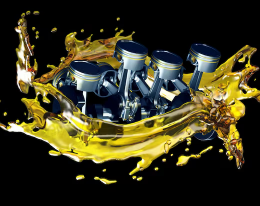
This mechanism is particularly important for anti wear additives in engine oil, where components experience varying loads, speeds, and temperatures throughout operation.
Types of Anti Wear Additives
Several chemical families provide anti-wear protection, each with specific characteristics and applications:
| Additive Type | Common Examples | Key Properties |
|---|---|---|
| Zinc Dialkyldithiophosphates (ZDDP) | Primary alkyl, secondary alkyl, aryl ZDDP | Excellent anti-wear and antioxidant properties; most widely used in engine oils |
| Phosphorus Compounds | Tricresyl phosphate, amine phosphates | Good thermal stability; used in hydraulic fluids and compressor oils |
| Sulfur Compounds | Sulfurized olefins, sulfides | Provide mild extreme pressure properties; often used in gear oils |
| Boron Compounds | Boron esters, borate dispersions | Good thermal stability and friction reduction; compatible with various metals |
Importance in Engine Oil Applications
Anti wear additives in engine oil serve several critical functions that extend engine life and improve performance:
Valvetrain Protection
The valvetrain system experiences sliding contact between cam lobes and lifters/followers. Without effective anti wear oil additives, these components would suffer rapid wear leading to valve timing issues and reduced engine performance.
Piston Ring and Cylinder Liner Protection
During the combustion cycle, piston rings experience high pressures against cylinder walls. Anti-wear additives create protective films that prevent scuffing and scoring of these critical components.
Bearing Surface Protection
Engine bearings operate under hydrodynamic lubrication most of the time, but during startup, shutdown, and high-load conditions, boundary lubrication occurs. AW additives provide essential protection during these vulnerable periods.
Selection and Optimization Considerations
Choosing the right anti-wear additive involves several important considerations:
Compatibility with Other Additives
Anti-wear additives must work synergistically with detergents, dispersants, antioxidants, and other components in the lubricant formulation. Some additives may compete for metal surfaces or interact chemically.
Environmental and Regulatory Factors
Modern anti wear additives must balance performance with environmental considerations. This includes reducing phosphorus content to protect catalytic converters while maintaining adequate protection levels.
Base Oil Compatibility
The effectiveness of anti-wear additives can vary significantly between mineral oils, synthetic base stocks, and various blends. Formulators must test additive performance in specific base oil combinations.
Recommended Products
Sulfurized Isobutylene ★★★★★ (98reviews)
Low Odor Sulfurized Isobutylene ★★★★★ (91reviews)
Aminothioesters EP Additive In Grease ★★★★★ (78reviews)
Thiophosphoric Acid Amine Salt ★★★★★ (67reviews)
About Runda Chemical
Partner with Lubricant Additive Experts
 Email:jzsrunda@163.com