Antiwear Agent & Friction Modifiers: Complete Guide to Engine & Transmission Protection
In the demanding world of automotive and industrial lubrication, reducing friction and preventing wear are fundamental objectives. An effective antiwear agent forms protective films on metal surfaces, while friction modifier additive technology optimizes surface interactions for improved efficiency. Whether you’re searching for the best engine break-in additive for a new rebuild, a specialized transmission friction modifier additive for smoother shifts, or the authentic Motorcraft friction modifier additive for Ford applications, understanding these critical components is essential. This guide explores everything from the growing friction modifier additives market to specific products like Mopar limited slip additive friction modifier and where to find friction modifier additive Autozone carries.
Engine components showing wear protection needs
Critical engine and transmission components rely on antiwear agents and friction modifiers for protection and performance.
Understanding Antiwear Agents vs. Friction Modifiers
While both antiwear agent compounds and friction modifier additive products aim to protect machinery, they work through different mechanisms for distinct purposes. Antiwear agents (like ZDDP) form sacrificial chemical films that prevent metal-to-metal contact under moderate loads and temperatures. In contrast, friction modifiers create slippery boundary layers that reduce the coefficient of friction between surfaces, improving efficiency and sometimes addressing specific operational issues like chatter in limited-slip differentials. This distinction is crucial when selecting additives – for example, choosing between a general oil friction additive and a specialized transmission friction modifier additive designed for automatic transmission clutch packs.
Market Insight: The global friction modifier additives market is projected to reach $1.8 billion by 2028, growing at 5.8% CAGR, driven by increasingly stringent fuel economy regulations and the demand for specialized additives like Mopar limited slip additive friction modifier for performance vehicles.
Key Applications and Product Types
Antiwear agent technology and friction modifier additive products serve specialized roles across various automotive systems:
- Engine Break-in Protection: The best engine break-in additive typically contains robust antiwear agents like ZDDP to protect new or rebuilt engines during the critical initial run-in period when surfaces are mating.
- Transmission Performance: A friction modifier additive for transmission optimizes clutch engagement in automatics for smoother shifts, while manual transmissions may benefit from different formulations.
- Limited-Slip Differentials: Specialized additives like Mopar limited slip additive friction modifier prevent chatter and ensure proper torque distribution in performance and 4WD vehicles.
- Fuel Economy Enhancement: Friction modifier fuel additive products reduce engine friction for improved mileage, though effectiveness varies significantly between products.
- OEM-Specific Requirements: Products like additive friction modifier Motorcraft (Ford’s specification) or Motorcraft friction modifier additive are formulated to meet specific manufacturer requirements.
OEM-Specific Friction Modifier Requirements
Different vehicle manufacturers specify particular friction characteristics for their transmissions and differentials:
Ford/Motorcraft Applications
The official additive friction modifier Motorcraft (part number XL-3 or equivalent) is specifically required for many Ford limited-slip differentials. This Motorcraft friction modifier additive contains specialized friction modifiers that allow clutch plates to engage properly without chatter. Using the correct formulation is essential – substitutes may not provide the precise friction characteristics Ford engineers specified.
Chrysler/Dodge/Jeep (Mopar) Applications
Similarly, Mopar limited slip additive friction modifier is formulated for Chrysler group vehicles with limited-slip differentials. This additive ensures proper torque biasing without noise or vibration issues. Like the Ford specification, it’s designed to work specifically with Mopar axle fluids and clutch materials.
General Aftermarket Options
For vehicles without specific OEM requirements or for enthusiasts seeking performance enhancements, numerous aftermarket oil friction additive products exist. These range from general friction modifier additive Autozone carries to specialized racing compounds. Retailers like Autozone typically stock several options, from budget generic additives to brand-name products meeting specific OEM standards.
Friction Modifier & Antiwear Additive Comparison
| Additive Type / Product | Primary Function | Typical Applications | Key Considerations |
|---|---|---|---|
| ZDDP Antiwear Agent | Forms sacrificial protective film | Engine break-in, flat tappet cam protection, high-load areas | May conflict with catalytic converters in high concentrations |
| Transmission Friction Modifier | Optimizes clutch friction characteristics | Automatic transmission clutch packs | Must match transmission manufacturer specifications |
| Limited Slip Additive | Prevents differential clutch chatter | Limited-slip differentials (LSD) | OEM-specific (e.g., Mopar limited slip additive friction modifier) |
| Engine Oil Friction Modifier | Reduces boundary layer friction | Fuel economy improvement, general engine protection | Effectiveness varies; some reduce protection under high load |
| Fuel System Friction Modifier | Reduces friction in fuel system components | Friction modifier fuel additive for mileage claims | Minor efficiency gains possible; exaggerated claims common |
Targeted Additive Solutions for Specific Needs
Based on common automotive requirements and market availability:
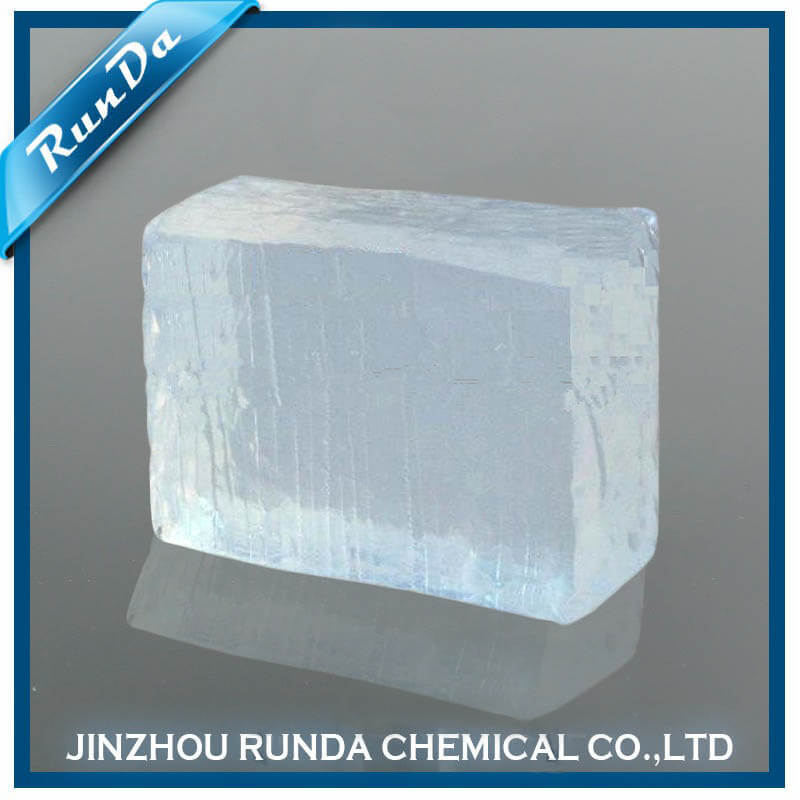
Sulfurized Isobutylene
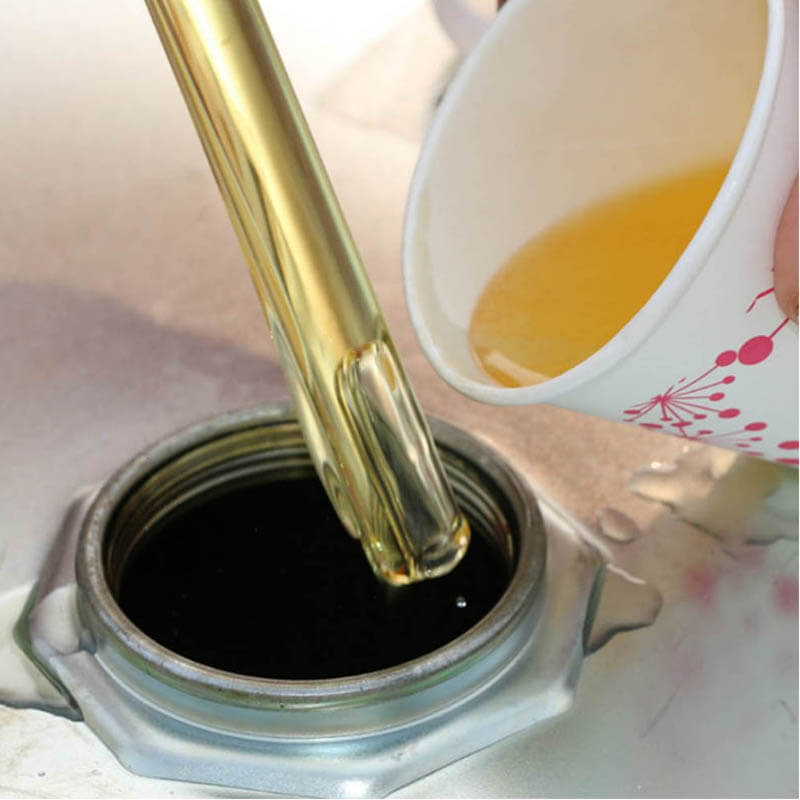
Low Odor Sulfurized Isobutylene
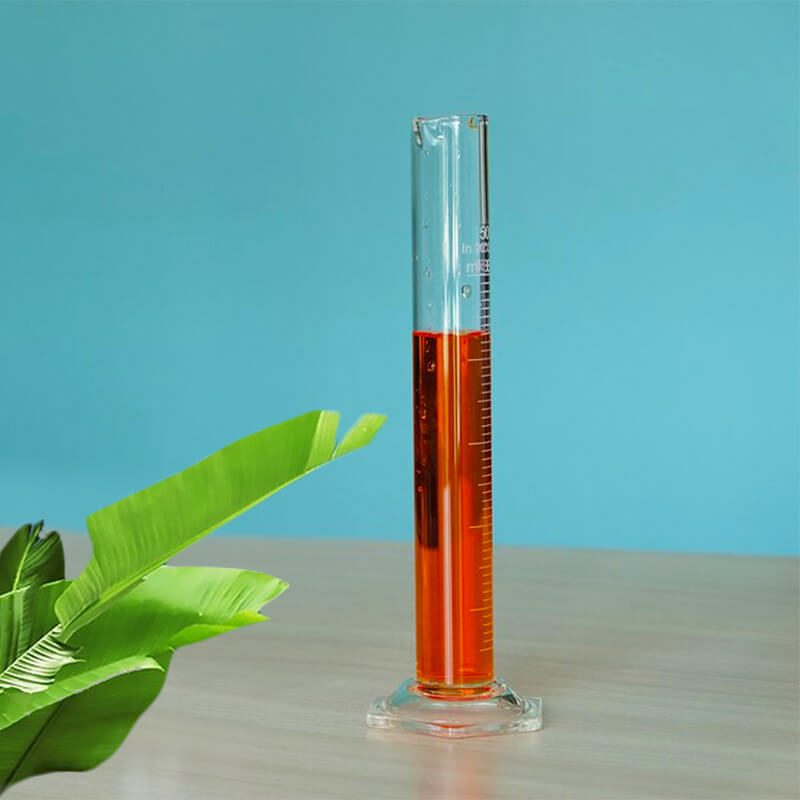
Thiophosphoric Acid Amine Salt
Aminothioesters EP Additive In Grease
Friction Modifier Additives Market Trends
The global friction modifier additives market is evolving with several significant trends:
- Fuel Economy Regulations: Stricter global fuel efficiency standards drive demand for effective friction modifiers that can deliver measurable efficiency improvements. <
- Electrification Challenges: Electric vehicles present new friction challenges in reduction gears and e-axles, requiring specialized additive formulations. <
- OEM Specification Proliferation: Increasingly specific requirements from manufacturers like Ford’s Motorcraft friction modifier additive specifications create specialized market segments.
- Retail Availability: Growth in consumer-facing channels like friction modifier additive Autozone retail offerings makes these products more accessible to DIY mechanics. <
- Material Compatibility: New engine and transmission materials require constantly evolving additive chemistry to ensure compatibility and performance. <
- Performance Segment Growth: Increased demand for specialized additives like Mopar limited slip additive friction modifier for the growing performance and off-road vehicle markets.
Frequently Asked Questions About Antiwear & Friction Modifiers
What makes the best engine break-in additive different from regular oil additives?
The best engine break-in additive typically contains higher concentrations of robust antiwear agent compounds like ZDDP (zinc dialkyldithiophosphate) to provide maximum protection during the initial run-in period when engine components are wearing in and establishing proper clearances. These additives are designed for temporary use (usually 500-1000 miles) and often contain additional polishing agents to promote proper seating of rings and bearings. Regular oil additives usually have lower concentrations of these components to balance protection with other considerations like catalytic converter compatibility.
Can I use a generic friction modifier additive Autozone sells in place of OEM-specific products?
While a generic friction modifier additive from retailers like Autozone might work in some applications, it’s generally not recommended to substitute for OEM-specific products like additive friction modifier Motorcraft or Mopar limited slip additive friction modifier when those are specified. OEM additives are precisely formulated to create specific friction characteristics for their clutch materials and designs. Using the wrong friction modifier can lead to poor performance, chatter, or even accelerated wear. If the OEM product is specified, it’s best to use it.
How does a friction modifier fuel additive actually work?
A friction modifier fuel additive typically contains compounds designed to deposit on engine surfaces (particularly cylinder walls) to create a slippery boundary layer that reduces friction during the piston’s movement. The most effective formulations create durable films that withstand the harsh combustion environment. However, the actual fuel economy improvements are usually modest (typically 1-3% under ideal conditions), and product effectiveness varies widely. These should not be confused with antiwear agent products that focus on protection rather than friction reduction.
Conclusion: Selecting the Right Additive for Your Application
Understanding the distinction between antiwear agent technology and friction modifier additive products is essential for proper automotive maintenance and performance optimization. From selecting the best engine break-in additive for a new rebuild to choosing the correct OEM-specific product like Motorcraft friction modifier additive for a Ford differential, each application has specific requirements.
The expanding friction modifier additives market offers increasingly specialized solutions, from transmission-specific formulations to retail products available as friction modifier additive Autozone carries. However, this variety requires informed selection – not all additives are interchangeable, and using the wrong product can compromise performance or protection.
Whether your needs involve a specialized transmission friction modifier additive, a critical Mopar limited slip additive friction modifier, or general engine protection with an oil friction additive, the key is matching the product’s specific chemistry to your application’s precise requirements. This informed approach ensures optimal performance, protection, and value from your additive investments.
About Runda Chemical
Partner with Lubricant Additive Experts
 Email:jzsrunda@163.com