Tackifier Oil Additive: Comprehensive Guide to Viscosity Enhancement Technology
In the complex world of lubricant formulation, maintaining optimal viscosity across varying temperatures is a fundamental challenge. This is where tackifier oil additive technology plays a critical role, working alongside viscosity index improvers to ensure consistent lubricant performance. Whether you’re exploring oil tackifier additive for sale options or seeking to understand the broader viscosity index improvers market dynamics, this guide provides comprehensive insights into these essential lubricant components. We’ll answer fundamental questions like “what is viscosity index improver” technology and explore specific applications such as OCP viscosity index improver formulations.
Understanding Tackifier Oil Additives and Viscosity Index Improvers
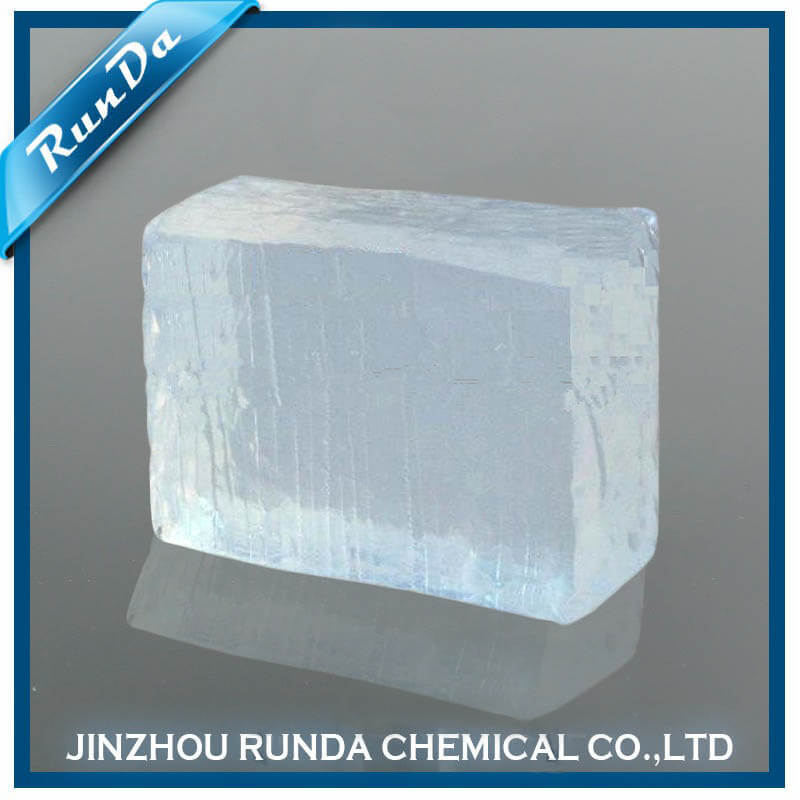
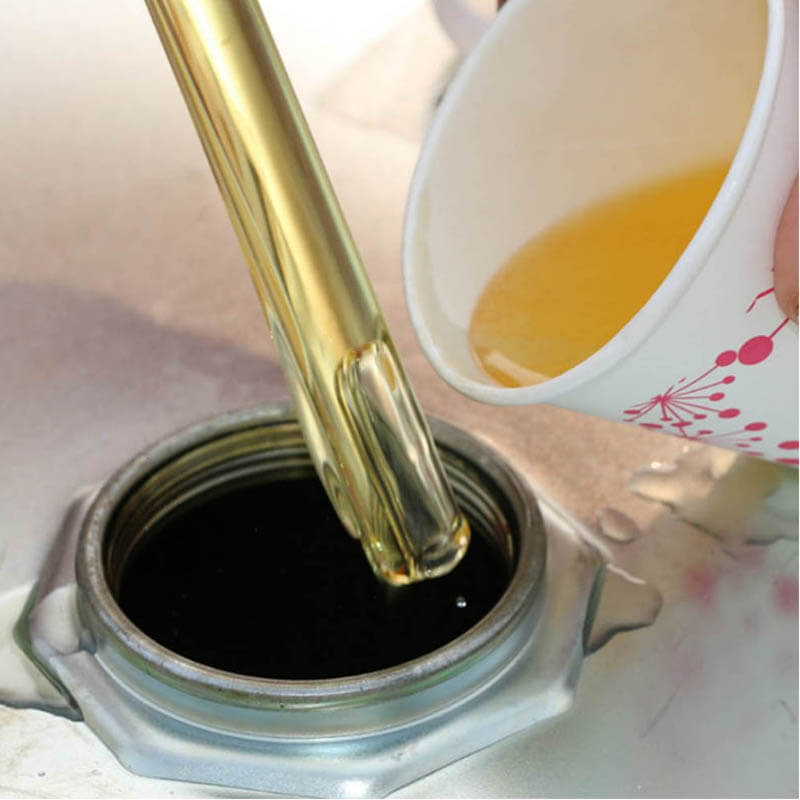
A tackifier oil additive is a specialized chemical component designed to increase the adhesive properties and cohesive strength of lubricants, particularly oils and greases. These additives create a “tacky” quality that helps lubricants stay in place on vertical surfaces, resist throw-off in gear systems, and maintain protective films under high-pressure conditions. Closely related to this technology are viscosity index improvers (VIIs), which address a different but complementary aspect of lubricant performance. So what is viscosity index improver technology exactly? VIIs are polymers that expand with increasing temperature, helping lubricants maintain more consistent viscosity across operational temperature ranges.
Market Insight: The global viscosity index improver market is projected to reach USD 4.8 billion by 2028, growing at a CAGR of 5.2%, driven by increasing demand for high-performance lubricants in automotive and industrial sectors, particularly in Asia-Pacific regions.
Key Functions and Applications of Tackifiers and VIIs
Tackifier oil additive products and viscosity index improvers serve distinct but often complementary functions in lubricant formulations:
- Adhesion Enhancement: Tackifiers improve lubricant adhesion to metal surfaces, reducing run-off and drippage in vertical or overhead applications.
- Film Strength Improvement: By increasing cohesive properties, tackifiers help maintain continuous lubricant films under heavy loads and extreme pressures.
- Temperature-Viscosity Stabilization: Viscosity index improvers examples like OCP, PMA, and SBC polymers expand when heated to offset lubricant thinning, maintaining protective viscosity at high temperatures.
- Shear Stability Enhancement: Modern VII formulations resist mechanical breakdown in high-shear applications like gearboxes and hydraulic systems.
- Seal Compatibility: Certain tackifiers and VIIs help condition and swell elastomeric seals, preventing leaks while maintaining seal integrity.
Types of Viscosity Index Improvers and Their Characteristics
When exploring oil tackifier additive for sale options, it’s essential to understand the broader category of viscosity modifiers. Different polymer chemistries offer distinct performance characteristics:
1. Olefin Copolymers (OCP)
OCP viscosity index improver technology represents one of the most widely used VII types globally. OCPs offer excellent thickening efficiency, good shear stability (particularly star-branched varieties), and cost-effectiveness. They are predominantly used in engine oils, with growing applications in hydraulic and gear oils.
2. Polymethacrylates (PMA)
PMA-based VIIs provide excellent low-temperature properties and pour point depression alongside viscosity improvement. These versatile polymers are used in high-quality multigrade engine oils, hydraulic fluids, and automatic transmission fluids where low-temperature performance is critical.
3. Hydrogenated Styrene-Diene Copolymers (HSD)
HSD polymers offer outstanding shear stability and thermal resistance, making them suitable for demanding applications like gear oils and heavy-duty engine oils. Their robust structure maintains viscosity better under severe mechanical shear conditions.
4. Polyisobutylene (PIB) and Styrene-Butadiene (SBC)
These traditional VIIs continue to find application in specific lubricant formulations. PIB offers good thickening with minimal impact on low-temperature properties, while SBC polymers provide balanced performance at moderate cost.
Comparative Analysis of Major Viscosity Index Improver Types
| VII Type | Primary Advantages | Typical Applications | Market Share (Est.) |
|---|---|---|---|
| OCP (Olefin Copolymer) | Cost-effective, good thickening efficiency, improving shear stability in newer forms | Engine oils (primary), some gear and hydraulic oils | ~45% of viscosity index improver market |
| PMA (Polymethacrylate) | Excellent low-temperature properties, pour point depression, multifunctional | Premium engine oils, hydraulic fluids, ATFs | ~30% |
| HSD (Hydrogenated Styrene-Diene) | Superior shear stability, thermal resistance | Heavy-duty engine oils, gear oils, high-shear applications | ~15% |
| Other (PIB, SBC, etc.) | Specific compatibility, historical formulations | Specialized industrial lubricants, legacy formulations | ~10% |
Recommended Tackifier and Viscosity Improver Solutions
When searching for effective oil tackifier additive for sale or advanced viscosity modification technology, consider these specialized formulations:
EPR Ethylene Propylene Rubber J0010
Ethylene Propylene Copolymer J0050
PIB Additive Polyisobutylene PIB950
PIB Polyisobutylene Adhesive PIB1300
PIB Polyisobutylene PIB2400
Polymethacrylate Viscosity Index Improver
Hydrogenated Styrene Isoprene Polymer
High Viscosity Polymethacrylate VII
Polymethacrylate For Gear Oil
Polymethacrylate For Low Freezing Point Hydraulic Oil
Water-Soluble High Molecular Weight Polyether
Metallocene Polyalphaolefin PAO1000
Metallocene Polyalphaolefin PAO2000
Market Trends in Viscosity Index Improvers
The global viscosity index improvers market is undergoing significant transformation driven by several key trends:
- Fuel Economy Regulations: Increasing demand for low-viscosity engine oils (0W-16, 0W-20) requiring advanced VII technology to maintain film strength while reducing pumping losses.
- Extended Drain Intervals: Longer oil change intervals in both automotive and industrial applications necessitate VIIs with improved shear stability and oxidation resistance.
- Electrification Impact: The transition to electric vehicles is changing lubricant requirements, with increased focus on specialized fluids for e-axles and reduction gears requiring tailored VII solutions.
- Regional Market Growth: Asia-Pacific continues to dominate the viscosity index improver market growth, particularly China and India, driven by expanding automotive production and industrial activity.
- Sustainability Pressures: Growing demand for bio-based or more readily biodegradable VII alternatives in environmentally sensitive applications.
Frequently Asked Questions About Tackifiers and Viscosity Improvers
What is the main difference between a tackifier and a viscosity index improver?
While both are lubricant additives, they serve different primary functions. A tackifier oil additive primarily increases the adhesive and cohesive properties of lubricants, helping them stick to surfaces and resist throw-off. In contrast, viscosity index improvers are designed to reduce the rate of viscosity change with temperature, helping lubricants maintain more consistent viscosity across operating temperature ranges. Some advanced additives incorporate both functionalities.
Why has OCP viscosity index improver become so dominant in the market?
OCP-based VIIs have achieved significant viscosity index improver market share due to their favorable balance of performance and cost. They offer good thickening efficiency, acceptable shear stability (particularly in modern star-branched formulations), and relative manufacturing simplicity. While PMA and HSD VIIs excel in specific areas (low-temperature performance and shear stability respectively), OCP provides the best overall value for many mainstream applications, particularly in the large engine oil segment.
Can I add a tackifier oil additive to existing lubricants to improve performance?
While some aftermarket oil tackifier additive for sale products are marketed for direct addition to existing lubricants, caution is advised. Tackifiers must be compatible with the base oil and existing additive package. Incompatible additions can cause precipitation, reduced effectiveness of other additives, or altered rheological properties. For optimal results, it’s generally better to select a finished lubricant formulated with the appropriate tackifier concentration rather than attempting to modify an existing product unless specifically designed for that purpose.
Conclusion: The Essential Role of Tackifiers and Viscosity Index Improvers
Tackifier oil additive technology and viscosity index improvers represent two essential classes of lubricant additives that address fundamental challenges in lubrication science. From ensuring lubricants stay in place on vertical surfaces to maintaining consistent viscosity across extreme temperature ranges, these additives enable modern lubricants to meet increasingly demanding performance requirements.
The evolving viscosity index improvers market reflects broader trends in lubrication technology, with advancements in polymer chemistry like advanced OCP viscosity index improver formulations driving improvements in shear stability, thermal resistance, and multifunctionality. As lubricant specifications continue to tighten in response to efficiency demands and environmental regulations, the importance of these additives will only grow.
At Jinzhou Runda Chemical Co., Ltd., we combine deep expertise in polymer chemistry with practical application knowledge to develop advanced tackifier oil additive and viscosity index improver solutions. Our products are engineered to meet the specific challenges of modern lubricant formulations across automotive, industrial, and specialty applications.
About Runda Chemical
Partner with Lubricant Additive Experts
 Email:jzsrunda@163.com