Understanding Lubricants and Additives
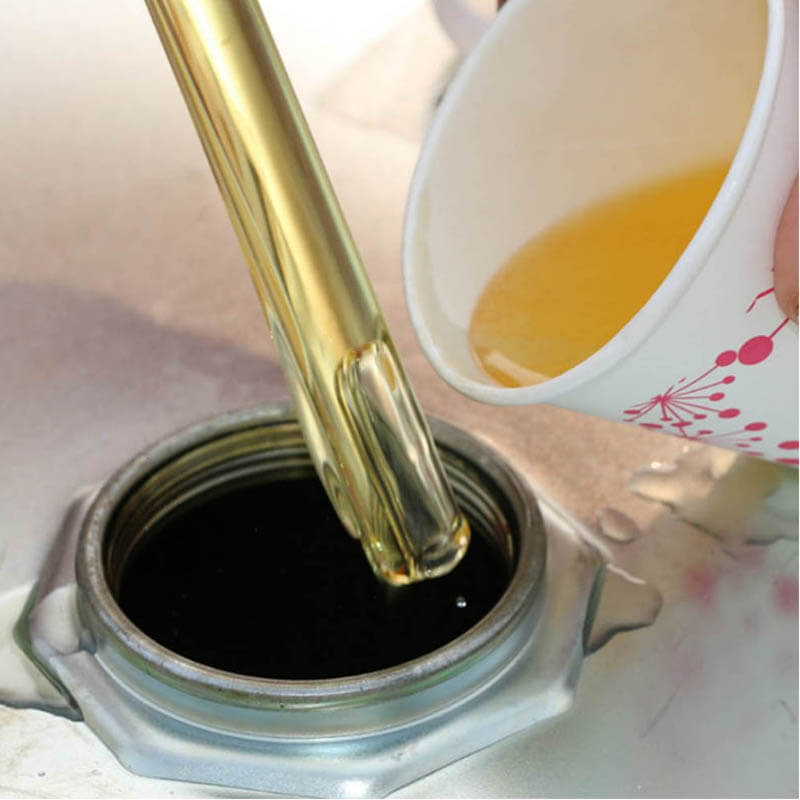
In the world of industrial machinery and automotive engineering, the right combination of lubricants and additives is critical for performance, efficiency, and longevity. This comprehensive guide explores the science behind lubricating agents, their additives, and how they work together to protect your machinery.Modern lubricants and additives are engineered for specific industrial applications.
The Fundamentals of Lubricating Agents
A lubricating agent, commonly referred to as a lubricant, is a substance introduced between two moving surfaces to reduce friction, heat, and wear. While most people immediately think of engine oil, lubricating agents encompass a wide range of products including greases, hydraulic fluids, gear oils, and specialized industrial compounds.
The primary functions of any lubricating agent include:
- Reducing friction between moving parts
- Minimizing wear and tear on machinery components
- Dissipating heat generated by mechanical operations
- Preventing corrosion and rust formation
- Sealing clearances between pistons and cylinders
- Cleaning and suspending contaminants
Base Oil and Additives: The Core Partnership
All lubricants consist of two fundamental components: base oil and additives. The base oil forms the majority of the lubricant volume (typically 70-95%) and provides the fundamental lubricating properties. Additives are chemical compounds that enhance, suppress, or add new properties to the base oil.
The synergy between high-quality base oil and precisely formulated additives determines the performance characteristics and application suitability of any lubricant.
Base oils are categorized by their origin and refining process:
- Mineral Base Oils: Derived from petroleum crude oil through refining processes
- Synthetic Base Oils: Chemically engineered to provide superior properties
- Semi-Synthetic Base Oils: Blends of mineral and synthetic base oils
- Bio-Based Oils: Derived from renewable plant sources
Comprehensive Guide to Additives of Lubricating Oil
Additives of lubricating oil are specialized chemical compounds that impart specific performance characteristics to the base oil. Modern lubricants may contain anywhere from 5% to 30% additives by volume, depending on their intended application.
Primary Categories of Lube Oil Additives
The term lube oil additives encompasses several categories of chemical compounds, each serving specific functions:
| Additive Type | Primary Function | Common Compounds |
|---|---|---|
| Antioxidants | Prevent oil oxidation and degradation | Phenolic and amine compounds |
| Detergents | Keep surfaces clean and deposit-free | Metallic sulfonates, phenates |
| Dispersants | Suspend contaminants in the oil | Polymeric compounds |
| Anti-wear Agents | Form protective films on metal surfaces | Zinc dialkyldithiophosphate (ZDDP) |
| Viscosity Index Improvers | Maintain viscosity across temperature ranges | Polymers like polymethacrylates |
| Corrosion Inhibitors | Protect metal surfaces from corrosion | Sulfonates, fatty acids, amines |
| Friction Modifiers | Reduce friction between moving parts | Organic fatty acids, graphite, molybdenum |
Selecting the Right Lubricants and Additives Combination
Choosing the appropriate combination of lubricants and additives requires understanding several factors:
Application Requirements
Different machinery and operating conditions demand specific lubricant formulations. High-temperature environments require superior oxidation resistance, while heavy-load applications need robust anti-wear protection.
Compatibility Considerations
Not all additives are compatible with each other or with every base oil. Some additive combinations can react negatively, reducing overall effectiveness or even causing damage to machinery.
Environmental Factors
Modern lubricant formulations must consider environmental impact, including biodegradability, toxicity, and potential for contamination. This has led to the development of “environmentally acceptable” lubricants with specialized additive packages.
Future Trends in Lubricant Additive Technology
The field of additives of lubricating oil is continuously evolving. Current research focuses on:
- Nanotechnology additives for enhanced protection
- Bio-based and biodegradable additives
- Additives for electric vehicle-specific lubricants
- Smart additives that respond to changing conditions
- Extended drain interval formulations
Recommended Lubricant Additive Products
As a leading Lubricant Additive manufacturer, we offer comprehensive lubricant products for diverse applications:
SN/SM Engine Oil Additives Package
CI-4/CH-4/CF-4/CD/SF/SG/SJ/SL Engine Additive
CF-4/CF/CD/CC/SG/SJ/SF/SD/SB Engine Oil Additives
FB/FC/FD Two-Stroke Motor Oil Additive
CNG/LNG/CF Low Ash Natural Gas Engine Oil Additive
Four-Stroke Motorcycle Oil Additive
SP Additives In Engine Oil Engine
CK-4 Diesel Lubricity Additive
Two-stroke engine oil package
Conclusion
The science of lubricants and additives is complex but essential for modern industrial operations. Understanding the relationship between base oil and additives, the function of various lube oil additives, and the properties of different lubricating agent formulations allows for informed selection that maximizes equipment performance and lifespan.
At Jinzhou Runda Chemical, we specialize in developing advanced additive packages tailored to specific industrial needs. Our expertise in additives of lubricating oil helps customers achieve optimal machinery performance, reduced maintenance costs, and extended equipment life.
About Runda Chemical
Partner with Engine Oil Lubricant Experts
 Email:jzsrunda@163.com