Extreme Pressure Additives Technology
Understanding extreme pressure additives and their critical role in protecting equipment under severe load conditions. This comprehensive guide explores how these specialized additives prevent wear and failure in demanding applications across industries.
Industry Insight: The global EP AW additives market is projected to reach $8.5 billion by 2027, growing at 3.5% CAGR driven by industrial expansion
Understanding Extreme Pressure Additives
Extreme pressure additives are specialized chemical compounds designed to protect equipment under severe load conditions where conventional lubricants fail. These extreme pressure agent formulations work by forming protective sacrificial films on metal surfaces that prevent welding, scuffing, and catastrophic wear when contact pressures exceed the capabilities of fluid film lubrication.
Key Performance Benefits
Advanced extreme pressure additives deliver critical protection for equipment operating under severe conditions:
- Prevent Catastrophic Wear: Eliminate scuffing, scoring, and welding under extreme loads
- Extend Component Life: Increase gear, bearing, and machine life by 100-300%
- Enable Higher Load Capacity: Allow equipment to operate safely at design limits
- Reduce Maintenance Costs: Minimize downtime and expensive component replacements
The growing EP AW additives market serves diverse industrial sectors including mining, steel production, wind energy, heavy manufacturing, and transportation. Each application requires specific extreme pressure additives examples tailored to address unique challenges in load, speed, temperature, and environmental conditions.
Key Functions of Extreme Pressure Additives
Understanding how extreme pressure additives work is essential for proper formulation and application in demanding conditions.
Boundary Lubrication Enhancement
The primary function of extreme pressure additives is to provide protection under boundary lubrication conditions where fluid films are too thin to separate surfaces. These additives chemically react with metal surfaces under high pressure and temperature to form low-shear-strength protective films.
Thermo-Chemical Film Formation
Effective extreme pressure agent compounds decompose at the high flash temperatures generated in concentrated contacts (often exceeding 500-1000°C). The reaction products form sacrificial films—typically metal sulfides, phosphides, or chlorides—that shear more easily than the base metal, preventing welding while allowing relative motion.
Synergy with Anti-Wear Additives
High-quality EP AW additives work synergistically with anti-wear agents to provide comprehensive protection across the entire pressure spectrum. Anti-wear additives protect under moderate conditions, while extreme pressure additives activate under severe loads, creating a seamless transition of protection.
Advanced Extreme Pressure Additive Technologies
Modern extreme pressure additives incorporate sophisticated chemical technologies for superior performance:
Chemical Types of EP Additives
Different extreme pressure additives examples work through various chemical mechanisms, each with specific advantages:
- Sulfur-Based EP Additives: Form iron sulfide films at high temperatures; excellent for very high load applications like hypoid gears
- Phosphorus-Based EP Additives: Form iron phosphate films; effective at moderate temperatures with good compatibility with yellow metals
- Chlorine-Based EP Additives: Form iron chloride films; effective but increasingly restricted due to environmental concerns
- Moly EP additive (Molybdenum): Forms molybdenum disulfide films; provides excellent lubricity and extreme pressure protection
- Boron-Based EP Additives: Emerging technology with good extreme pressure properties and environmental profile
- Polymer-Based EP Additives: Ashless alternatives gaining popularity for environmental compliance
Specialized Formulations
The EP AW additives market continues to evolve with specialized formulations for specific applications. Moly EP additive formulations, for example, are particularly valued in applications requiring both extreme pressure protection and friction reduction, such as certain gear oils and specialized greases.
EP Additive Performance Comparison
Selecting the right extreme pressure additives requires understanding performance characteristics across different chemical technologies:
| Performance Metric | Sulfur-Phosphorus EP | Chlorinated Paraffin | RundaChem Advanced EP |
|---|---|---|---|
| Maximum Load (Four-Ball, kg) | 400-500 | 450-550 | 500-600+ |
| Thermal Stability | Excellent | Good | Excellent |
| Corrosivity to Metals | Moderate (requires inhibitors) | High | Very Low (balanced formulation) |
| Environmental Profile | Good | Poor | Excellent (reduced hazardous components) |
| Price/Performance Ratio | Good | Excellent | Optimal |
Note: The expanding EP AW additives market increasingly values balanced formulations that provide protection while addressing environmental and compatibility concerns.
Comprehensive Extreme Pressure Solutions
Properly formulated extreme pressure additives systems provide balanced protection for the most demanding applications:
RundaChem EP Protection Series
Our comprehensive extreme pressure additives solutions represent optimal protection technology for high-load applications. The RundaChem EP series addresses the complete spectrum of extreme pressure challenges through advanced additive technology.
Key Advantages of RundaChem EP Solutions
- Advanced extreme pressure agent formulations with multiple protective mechanisms
- Superior protection in both EP AW additives categories (extreme pressure and anti-wear)
- Specialized moly EP additive formulations for applications requiring friction reduction
- Reduced environmental impact compared to traditional chlorinated additives
- Excellent compatibility with seals, metals, and other additive components
- Comprehensive testing to meet global specifications including API GL-4, GL-5, and industrial standards
Recommended Extreme Pressure Products
As specialists in the EP AW additives market, we offer solutions for diverse high-load challenges:
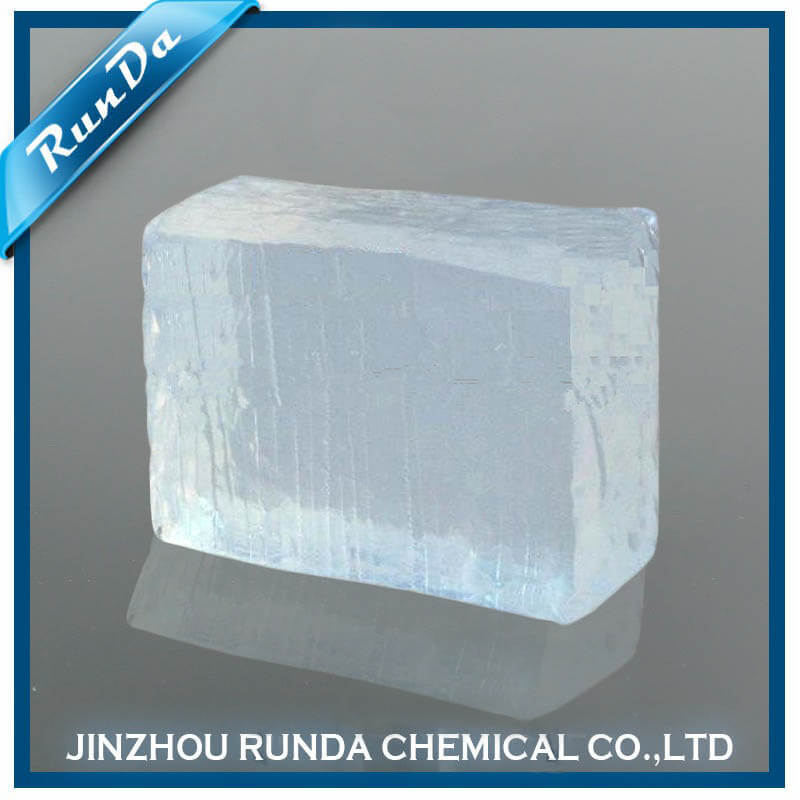
Sulfurized Isobutylene
Low Odor Sulfurized Isobutylene
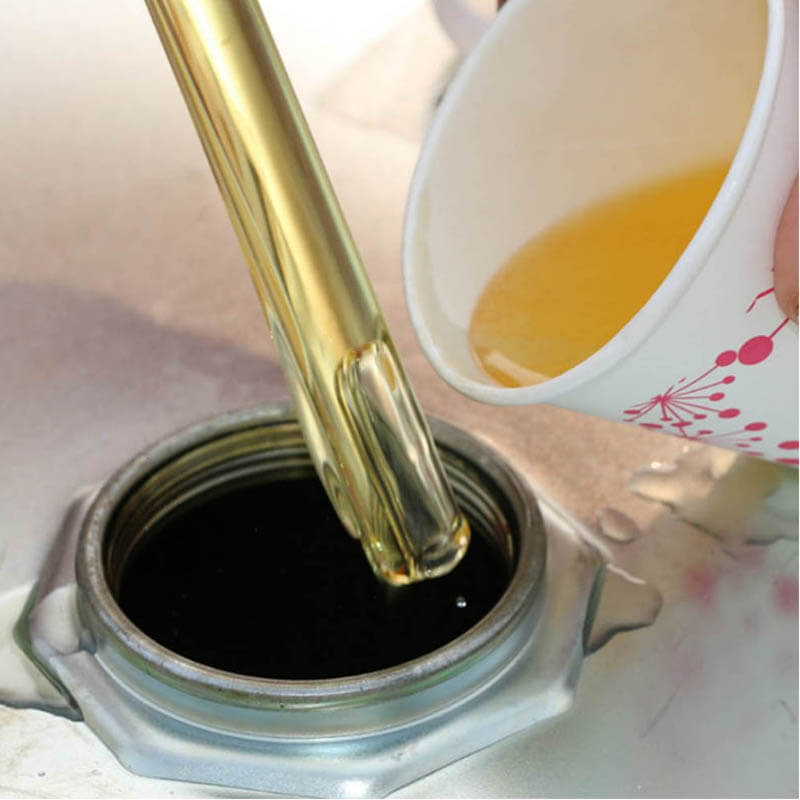
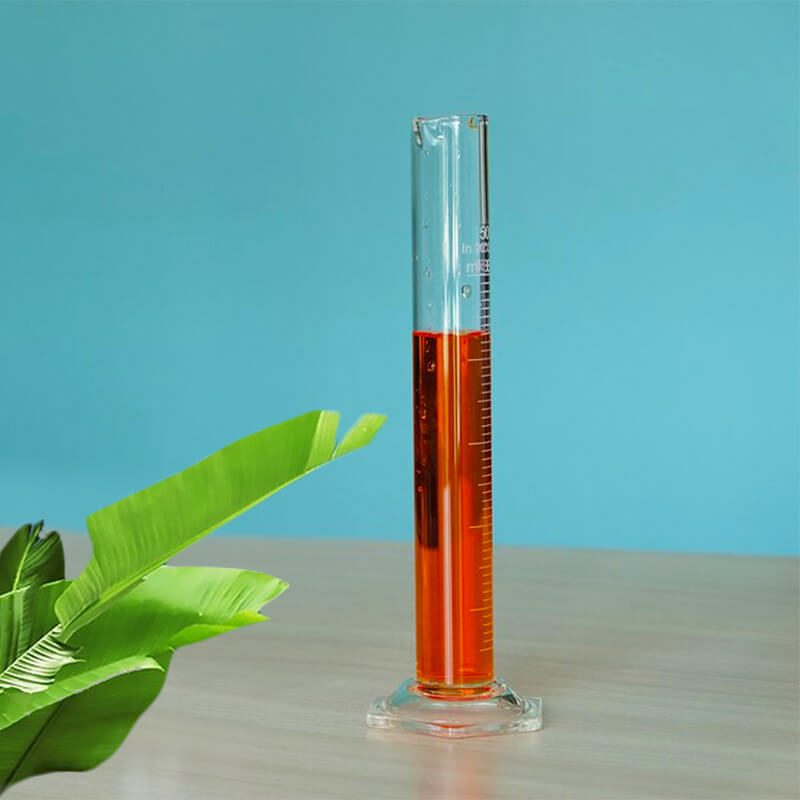
Thiophosphoric Acid Amine Salt
Thiophosphoric Acid Amine Salt
Application Guidelines
Proper application of extreme pressure additives requires understanding specific equipment and operational requirements:
- For Hypoid Gears: Use high-activity sulfur-phosphorus extreme pressure additives with excellent thermal stability
- For Industrial Gearboxes: Select balanced EP AW additives with good corrosion protection and seal compatibility
- For Applications with Copper Alloys: Utilize low-corrosivity phosphorus-based systems rather than aggressive sulfur-based additives
- For High-Friction Applications: Consider moly EP additive formulations for combined extreme pressure and friction reduction
- For Environmentally Sensitive Areas: Select ashless or low-metal extreme pressure agent formulations
- For Mixed Metallurgy Systems: Test compatibility with all present metals before full implementation
Extreme Pressure Additives Examples in Industry
Common extreme pressure additives examples include: zinc dialkyldithiophosphate (ZDDP) in engine oils; sulfurized olefins in gear oils; chlorinated paraffins in metalworking fluids (declining use); organomolybdenum compounds in specialty lubricants; and phosphate esters in certain industrial applications. The specific extreme pressure agent selected depends on the application requirements, operating conditions, compatibility needs, and environmental considerations within the growing EP AW additives market.
Customer Success Stories
“Our mining equipment was experiencing catastrophic gear failures every 8-10 months under extreme loads. After reformulating with Runda Chemical’s advanced extreme pressure additives, we’ve extended gear life to over 24 months. The combination of sulfur-phosphorus chemistry with specialized moly EP additive has transformed our maintenance costs and equipment availability.”
David Wilson, Chief Engineer
Heavy Mining Operations
“As a lubricant formulator competing in the competitive EP AW additives market, finding additives that balance performance, cost, and environmental compliance is challenging. Runda Chemical’s extreme pressure agent formulations have given us a competitive edge with products that exceed industry standards while meeting our customers’ evolving requirements.”
Maria Rodriguez, R&D Director
Global Lubricants Company
Frequently Asked Questions
What are extreme pressure additives and how do they work?
Extreme pressure additives are specialized chemical compounds that protect equipment under severe load conditions where conventional lubricants would fail. They work through a thermo-chemical mechanism: when contact pressures become extreme (often exceeding 100,000 psi in gear contacts), the resulting flash temperatures (500-1000°C) cause the extreme pressure agent to decompose and chemically react with metal surfaces. This reaction forms sacrificial films—typically metal sulfides, phosphides, or chlorides—that shear more easily than the base metal. These films prevent direct metal-to-metal contact, welding, and catastrophic wear while allowing relative motion. Unlike anti-wear additives that work through adsorption and mild chemical reactions, extreme pressure additives activate only under the most severe conditions to provide last-line defense against component failure.
What’s the difference between EP AW additives?
EP AW additives refers to two related but distinct categories of lubricant additives: Extreme Pressure (EP) additives and Anti-Wear (AW) additives. Anti-wear additives work under moderate loads and temperatures through adsorption and mild chemical reactions to form protective films that reduce wear during normal operation. They’re preventive measures for typical operating conditions. Extreme pressure additives, in contrast, are reactive systems that activate only under severe conditions when loads exceed the capability of AW films. EP additives form sacrificial chemical films through more aggressive reactions at high spot temperatures. In the EP AW additives market, formulations often combine both types to provide seamless protection across the entire load spectrum—AW for normal operation and EP for extreme conditions. High-quality lubricants typically contain balanced EP AW additives systems rather than relying on just one mechanism.
What are the main types of extreme pressure additives examples?
The main types of extreme pressure additives examples include: Sulfur-based additives (sulfurized olefins, fats, or esters) that form iron sulfide films—excellent for very high load applications but potentially corrosive to yellow metals; Phosphorus-based additives (zinc dialkyldithiophosphate, tricresyl phosphate) that form iron phosphate films—effective at moderate temperatures with better metal compatibility; Chlorine-based additives (chlorinated paraffins) that form iron chloride films—historically effective but declining due to environmental concerns; Molybdenum-based additives (moly EP additive) that form molybdenum disulfide films—provide both extreme pressure protection and friction reduction; Boron-based additives—emerging technology with good properties and environmental profile; and Polymer-based additives—ashless alternatives for environmentally sensitive applications. The expanding EP AW additives market continues to develop new chemistries that balance performance with environmental and compatibility requirements.
How is the EP AW additives market evolving?
The global EP AW additives market is undergoing significant evolution driven by several key trends: Environmental regulations are driving development of ashless, low-toxicity extreme pressure additives with reduced hazardous components; Performance demands are increasing as equipment operates at higher loads and temperatures, requiring more advanced extreme pressure agent formulations; Compatibility requirements are expanding with new materials, seals, and emission systems in modern equipment; The shift toward synthetic and semi-synthetic lubricants requires EP AW additives with different solubility and stability characteristics; Regional regulations vary, creating demand for formulations compliant with specific regional requirements; and Sustainability initiatives are driving development of biodegradable and renewable-based additives. As a result, the EP AW additives market is seeing increased innovation in additive chemistry, with traditional formulations being supplemented or replaced by next-generation technologies that address these evolving demands.
About Runda Chemical
Partner with Extreme Pressure Additive Experts
 Email:jzsrunda@163.com